
Leak Detection & Repair in Black Feather, Parker CO
Black Feather is a newer Parker community where the reliable PEX interior plumbing shifts the leak focus outdoors. Hose bibs, irrigation, and the outdoor water systems that face Front Range freeze cycling are where Black Feather's seasonal leak pattern concentrates.
Outdoor-systems focus.
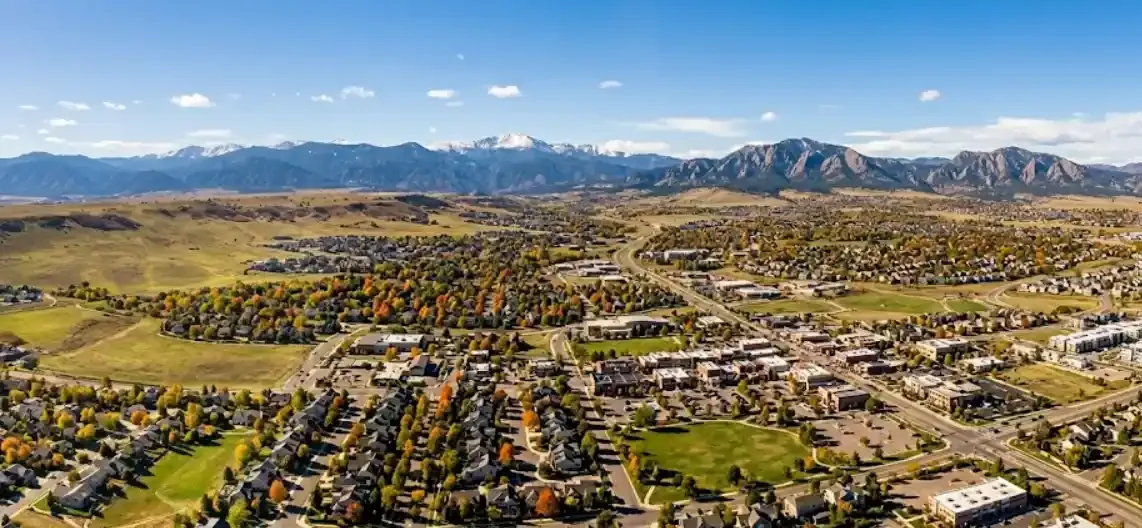
Black Feather is a newer Parker community where the modern PEX interior plumbing is reliable enough that the leak focus shifts to the outdoor water systems. Hose bibs, irrigation, and the exterior plumbing that faces the Front Range climate are where Black Feather's leak pattern concentrates, and it follows a distinctly seasonal rhythm tied to the freeze-thaw cycle.
The seasonal pattern is predictable. Fall winterization, or the lack of it, determines the spring service call volume. Hose bibs and irrigation systems that were not properly drained before winter develop freeze-split failures that surface when outdoor water is turned on in spring. Black Feather's newer construction includes frost-proof hose bibs that reduce the risk, but the outdoor systems still require proper seasonal care to avoid freeze-damage calls. Call (303) 552-3896 for dispatch.
Black Feather construction and outdoor systems
Black Feather homes are newer construction with PEX supply, PVC drains, and the modern outdoor water systems standard for recent builds. The interior PEX plumbing is reliable and freeze-resistant, which is why the leak attention here shifts to the exterior systems that face the Front Range climate directly.
The hose bibs in Black Feather homes are typically frost-proof spigots, the current construction standard. A frost-proof spigot has a long stem extending into the heated interior of the wall. The shutoff valve sits inside the heated space, so the spigot drains and leaves no water to freeze near the exterior. This construction resists freeze damage far better than the old standard hose bibs of older neighborhoods, though it still requires hoses to be disconnected before winter to function as designed.
The irrigation systems maintain the established landscaping that has grown in since the community was built. These systems have backflow preventers, valve manifolds, and buried lateral and mainline runs, all of which are vulnerable to freeze damage if not properly winterized with a compressed-air blowout before the cold sets in.
Most Common Plumbing Leaks in Black Feather, Parker CO
Spring hose bib failures are the signature seasonal Black Feather pattern. Even frost-proof spigots can fail if a hose was left connected over winter, trapping water in the stem to freeze and split it. The failure usually surfaces in spring when outdoor water is turned on for the first time and the split lets water leak from the spigot or down into the wall. Hose bib repair and frost-proof spigot service peak in March and April.
Irrigation freeze damage is the companion spring pattern. Backflow preventers, valve manifolds, and shallow irrigation components that were not properly winterized split during winter cold snaps and leak when the system is reactivated in spring. Proper fall winterization prevents most of these; inadequate winterization reliably produces spring repair calls.
Irrigation system leaks throughout the growing season occur as the systems age: zone valve failures, lateral-line leaks, and head failures. The zone-audit approach finds losses across the system efficiently.
Indoor fixture and appliance issues occur as in any home, but they account for a smaller share of Black Feather's seasonally-driven, outdoor-focused leak profile.
Black Feather water, freeze, and irrigation
Parker Water and Sanitation District serves Black Feather with very hard water at 9.2 grains per gallon. The hard water affects indoor fixtures and the irrigation components, building scale on emitters and valves. The outdoor focus of Black Feather's leak profile means the irrigation scale and the freeze exposure matter more here than the indoor fixture wear.
Front Range freeze cycling is the dominant factor in Black Feather's leak pattern. January lows of 13 to 22 degrees plus the periodic single-digit cold snaps stress every outdoor water component. The freeze-thaw cycle is what splits hose bibs, backflow preventers, and irrigation lines that were not properly drained, driving the predictable spring service-call wave.
Proper winterization is the key preventive measure in Black Feather. Disconnecting hoses from frost-proof spigots before winter, and blowing out the irrigation system with compressed air before the first hard freeze, prevents the bulk of the freeze-damage calls. The newer construction's frost-proof hose bibs help, but the irrigation systems especially require the seasonal blowout to avoid spring failures.
Black Feather, Parker, CO · Parker Leak Repair Pros serves this area 24/7
Leak Detection & Repair Services in Black Feather
Hose Bib Leak
Spring freeze-damage spigot work.
Sprinkler System Leak
Freeze-damage and head failures.
Irrigation Leak
Zone audit on growing-season losses.
Yard Leak
Surface-sign buried-line diagnosis.
Washing Machine Leak
Indoor appliance connections.
Residential Detection
Whole-home seasonal survey.
Reaching Black Feather
Black Feather is within our service area with prompt dispatch. The newer-community road network is straightforward, and response times stay fast across the neighborhood.
For the outdoor-systems work that defines Black Feather, we carry frost-proof spigot replacements, hose bib repair parts, and irrigation repair components. The spring service wave, when freeze-damaged hose bibs and irrigation surface as outdoor water is turned on, is a predictable seasonal pattern we are equipped for. We also provide pre-season inspections that catch freeze damage before it floods, and fall winterization to prevent the damage in the first place.
For irrigation, we run zone audits during the growing season to find losses, and compressed-air winterization blowouts in fall to prevent freeze damage. Proper winterization is the single most effective way to avoid the spring freeze-damage calls that drive Black Feather's seasonal leak volume.
Hose bib or irrigation leak in Black Feather?
Spring freeze-damage is our seasonal specialty here. Prevention and repair both.
☎ (303) 552-3896Frequently Asked Questions: Leak Detection in Black Feather
My hose bib is frost-proof but it still leaked this spring. How?
Almost certainly a hose was left connected over winter. A frost-proof spigot only works as designed if it can drain, and a connected hose traps water in the stem regardless of the frost-proof construction. That trapped water freezes during a cold snap, expands, and splits the stem or the supply line inside the wall. The failure then surfaces in spring when you turn the water on. The fix is straightforward, and the prevention is simple: always disconnect hoses from frost-proof spigots before winter.
When should I winterize my irrigation system?
Before the first hard freeze, typically October in Parker. Winterization means blowing out the irrigation lines with compressed air to remove all standing water, so nothing is left to freeze and split the lines, valves, and backflow preventer over winter. Skipping winterization or doing it too late, after a freeze has already occurred, reliably produces spring repair calls when the freeze-damaged components leak on reactivation. We do compressed-air winterization blowouts in fall to prevent exactly this.
Can I get my outdoor systems checked before turning on water in spring?
Yes, and it is a smart move in Black Feather. A pre-season inspection checks the hose bibs, irrigation backflow preventer, valves, and accessible components for freeze damage before you turn the water on. Finding a freeze-split component during inspection, rather than discovering it when it floods on reactivation, lets us repair it cleanly without water damage. Given Black Feather's seasonal freeze-damage pattern, the pre-season check is worthwhile preventive insurance.
Other Douglas County areas we serve
Black Feather sits in eastern Parker, near these other newer communities.