
Washing Machine Leak Detection & Repair in Parker, CO
Washing machine leaks come from the supply hoses, the drain hose, the internal pump, or the floor where the drain pan should be. Burst supply hoses are the most expensive failure mode because they release water continuously until the machine is shut off.
Hose-pump-pan diagnostic.
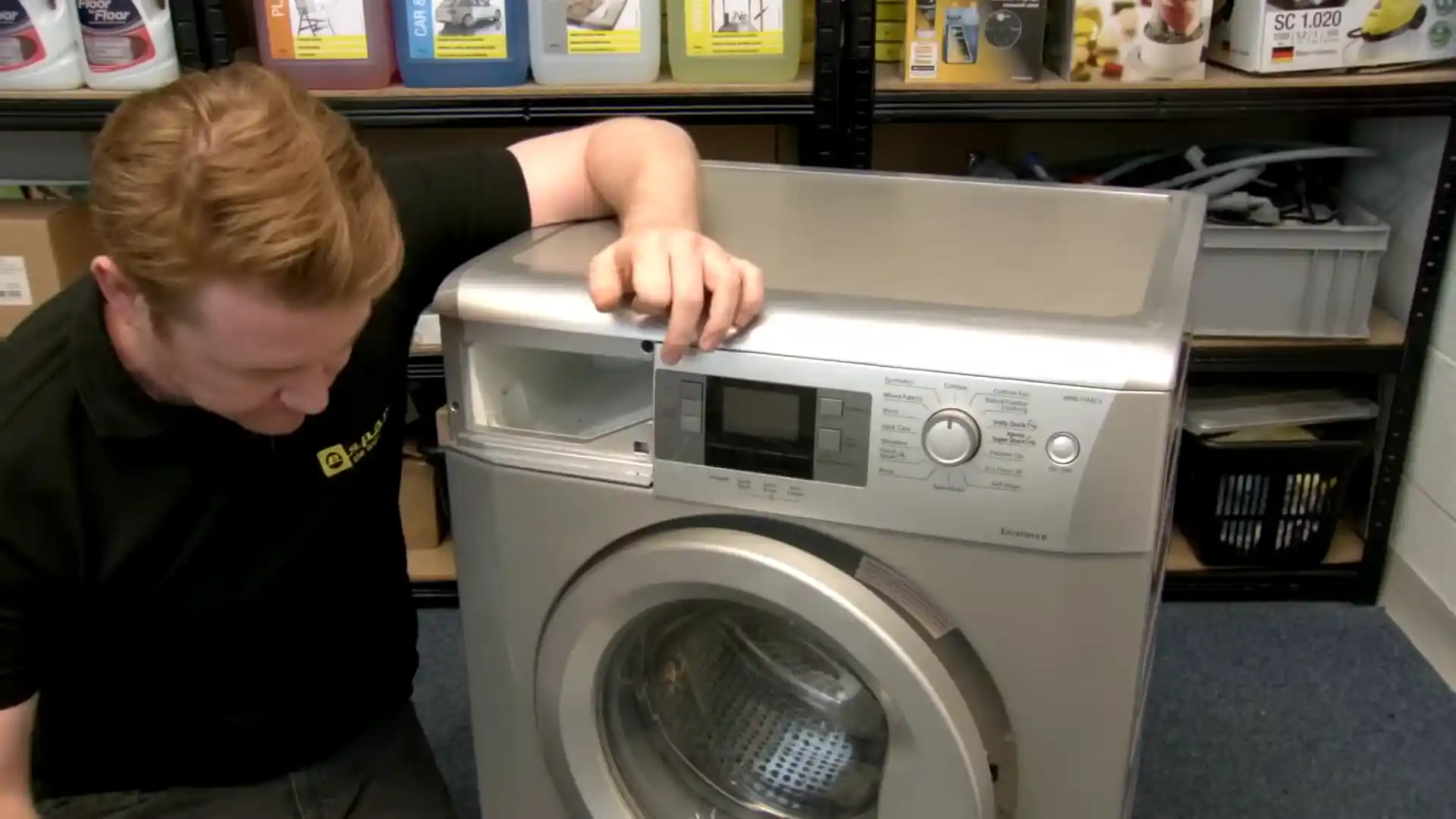
Washing machines have four common leak points. The two flexible supply hoses (hot and cold) running from the wall shutoffs to the machine. The drain hose carrying wastewater from the machine to the standpipe or laundry sink. The internal pump and tub seal inside the machine. The floor under the machine, which on a properly installed setup has a drain pan to catch and direct leaks toward a floor drain.
Supply hose failures are the most consequential because they release water under house pressure (50 to 80 PSI) and keep flowing until the supply is shut off. A burst supply hose left running overnight while the family sleeps can release 50 to 200 gallons. The annual recommendation is to inspect supply hoses and replace any showing signs of swelling, cracking, or age past 5 to 7 years. Call (303) 552-3896 for dispatch.
How We Detect Washing Machine Leak Detection and Repair in Parker, CO
Detection runs through the four leak points quickly. Most calls resolve at one of the first two.
Supply hose inspection covers both the hot and cold hoses from wall shutoff to machine. We look for visible swelling, cracks in the rubber, fraying on braided stainless lines, and rust or mineral buildup at the fittings. Active drips at fittings indicate failed washers; bulging mid-hose indicates imminent burst risk requiring immediate replacement.
Drain hose inspection covers the corrugated drain hose from machine to standpipe or laundry sink. Cracks at the bends, loose clamp at the machine end, and improper standpipe insertion (too far in causing siphoning, or too short causing splash) all show during a drain cycle test.
Internal pump and tub seal inspection requires pulling the machine away from the wall. Front-load machines are more susceptible to door boot seal failures; top-load machines are more susceptible to internal tub seal failures from imbalance damage. Visual inspection during a partial-fill test usually identifies internal issues.
Drain pan and floor inspection checks whether a pan is installed, whether the pan drain connects to a floor drain, and whether the floor below shows accumulated damage from past leaks. Many Parker laundry rooms lack a proper pan or have a pan with a non-functional drain.
Repair scope by leak point in Parker, CO
Supply and drain hose repairs are simple. Internal pump work usually converts to machine replacement.
Supply hose replacement swaps both hot and cold hoses at the same time (replacing only the failed hose is false economy; the other is the same age and exposed to the same conditions). Cost $150 to $300 including premium braided stainless hoses with auto-shutoff valves recommended.
Drain hose replacement swaps the corrugated drain hose, the clamps, and any needed extension. Cost $120 to $250.
Shutoff valve replacement at the wall if the angle stops are seized or leaking. Hard water on PWSD often corrodes laundry-box shutoffs over 15 to 20 years. Cost $200 to $400 for the pair (hot and cold).
Internal pump or seal repair on washers under 6 years and high-end models is sometimes economical. Cost $300 to $700 for pump replacement or seal kit. Older builder-grade machines usually convert to replacement rather than repair.
Drain pan installation when a pan is missing or non-functional. Cost $200 to $500 depending on whether the floor has an existing drain or one needs to be added. Highly recommended for second-floor laundry rooms where a leak can damage the floor below.
Laundry placement and risk by Parker era
The Pinery 1970s and pre-1990 Downtown Parker homes typically have basement or main-floor laundry placements. Leaks in these laundry rooms cause concrete-floor or first-floor damage but rarely affect ceilings or framing below.
The 1990s and early-2000s master-planned cohorts (Stonegate, Stroh Ranch, Idyllwilde, Canterberry Crossing, Cottonwood Parker) introduced second-floor laundry rooms as a standard feature in larger homes. Second-floor laundry rooms multiply the leak risk because any failure floods the floor below. Most of these installs originally lacked drain pans or had pans with non-functional drains.
Mid-2000s and 2010s builds (Bradbury Ranch, Lincoln Creek, Reata Ridge, Hidden River, Parker Vista, Black Feather, Trails at Crowfoot) standardized drain pans with functional floor drains in second-floor laundry rooms. Many also include auto-shutoff supply valves that trigger on detected leak. These features reduce but do not eliminate damage risk.
Washer leak repair $120 to $1,500.
Diagnosis folds into repair. Pricing: drain hose $120 to $250, supply hoses $150 to $300 for both, shutoff valves $200 to $400 for pair. Drain pan install $200 to $500. Internal pump repair $300 to $700. Full washer replacement $700 to $1,500 installed.
Water in the laundry room or ceiling below?
Same-day diagnostic. Burst supply hoses prevented with annual inspection.
☎ (303) 552-3896Washing machine leak questions Parker calls in with
How often should I replace my washing machine supply hoses?
Every 5 to 7 years on standard rubber hoses, every 10 to 12 years on premium braided stainless hoses with auto-shutoff valves. The replacement is cheap insurance against burst-hose flooding. Annual visual inspection looking for swelling, cracking, or fitting corrosion catches problems before they become emergencies.
Should I install an auto-shutoff valve?
Strongly recommended for second-floor laundry rooms. Auto-shutoff valves detect water leaks on the floor under the machine and trip both supply lines closed within seconds. Cost runs $300 to $700 installed depending on detection-sensor placement and valve grade. For a second-floor laundry over a finished living space, the install cost is far less than typical leak damage repair.
My washing machine is over 10 years old. Repair or replace?
For most builder-grade washers past 10 years, replacement is the better value. Component repairs on older machines often expose other near-failure parts. Modern high-efficiency washers use significantly less water (15 to 25 gallons per cycle versus 35 to 50 gallons on older machines), which on Parker's PWSD billing structure produces measurable monthly savings.
Related Leak Services in Parker, CO
Parker, CO & Douglas County Coverage
Second-floor laundry rooms in master-planned cohorts carry the highest leak-damage risk. Older Pinery laundry usually basement-level.