
Leak Detection & Repair in Hidden River, Parker CO
Hidden River sits in one of Parker's bentonite expansive-clay zones, where the soil swells and shrinks with moisture. That soil dynamic makes basement water intrusion and sump-system performance the defining concern, more than the plumbing-side leaks of other neighborhoods.
Bentonite-zone expertise.
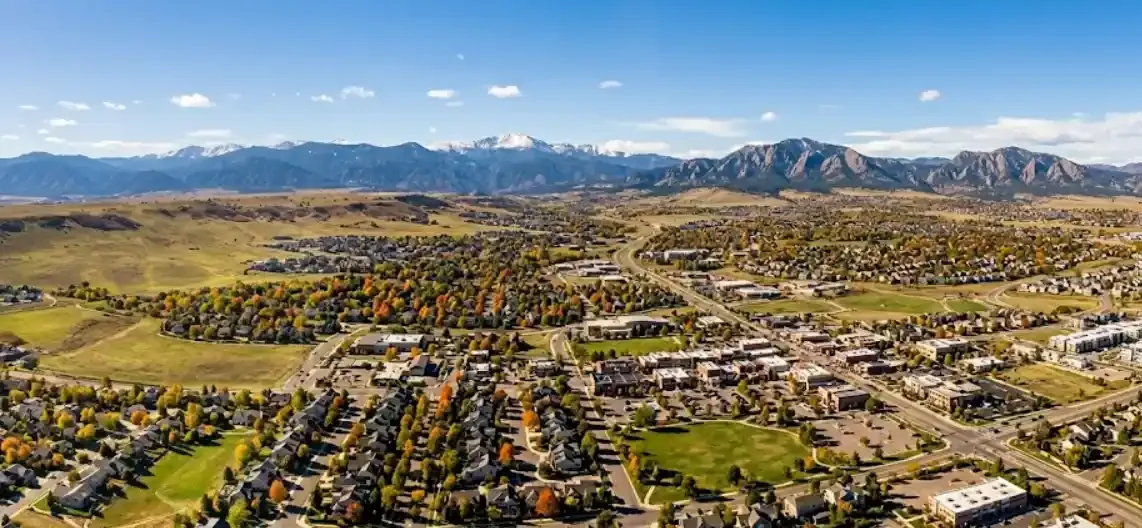
Hidden River sits in one of eastern Parker's bentonite expansive-clay zones, and that soil defines the neighborhood's water concerns more than any plumbing characteristic. Bentonite clay swells dramatically when wet and shrinks when dry, a cycle that stresses foundations, moves buried lines, and drives water toward basements. In Hidden River, the leading water problems are often not plumbing leaks at all but soil-driven basement intrusion.
The distinction matters for diagnosis. A wet Hidden River basement could be a plumbing leak, but it is just as likely to be soil-driven water intrusion. Rain or snowmelt saturates the expansive clay, which then channels water against the foundation. Sump systems are essential here to manage the water the soil delivers, and sump performance is a constant concern. Sorting plumbing-side leaks from soil-driven intrusion is the core of Hidden River water work. Call (303) 552-3896 for dispatch.
Hidden River construction in expansive clay
Hidden River homes are newer construction with PEX supply, PVC drains, and full basements, built on the bentonite expansive-clay soils of eastern Parker. The PEX supply gives the interior plumbing an advantage in the shifting soil, since PEX flexes with ground movement rather than cracking. But the basements are where the bentonite soil makes its presence felt.
Bentonite clay is among the most challenging foundation soils. It can swell substantially when it absorbs water and shrink as it dries, exerting pressure on foundation walls and slabs through the cycle. Hidden River homes are typically built with engineered drainage, sump systems, and sometimes structural accommodations for the soil, but the soil dynamic remains an active factor throughout the life of the home.
Sump systems are standard and essential in Hidden River basements. The bentonite soil channels significant groundwater toward foundations during wet periods, and the sump pump's job is to collect and discharge that water before it floods the basement. A sump system failure during a wet period can produce a basement flood quickly, which makes sump performance a constant Hidden River concern.
Most Common Plumbing Leaks in Hidden River, Parker CO
Basement water intrusion is the signature Hidden River concern. Rain and snowmelt saturate the bentonite clay, which swells and channels water against the foundation, where it finds paths through the wall, the floor, or the cove joint where they meet. This intrusion correlates with weather rather than house water use, the key signal distinguishing it from a plumbing leak. The remediation is usually drainage-focused rather than plumbing repair.
Sump system issues are common because the sumps work hard in the bentonite soil. Float switch failures, check valve failures, pump burnout from frequent cycling, and frozen discharge lines all occur. A sump failure during a wet period is a basement-flooding emergency. Battery backup sump systems are strongly recommended in Hidden River given how essential the sumps are.
Foundation-related issues arise from the soil movement. The expansive clay's swell-shrink cycle can stress foundation walls and slabs, occasionally contributing to cracks that allow seepage. Distinguishing structural seepage from plumbing leaks is part of the Hidden River diagnostic.
Plumbing-side leaks do occur, but in Hidden River the priority is always first determining whether a wet basement is plumbing or soil-driven intrusion, because the response differs entirely between the two.
Hidden River bentonite soil and water
Parker Water and Sanitation District serves Hidden River with very hard water at 9.2 grains per gallon. The hard water drives the usual fixture and appliance scale wear, but in Hidden River the soil, not the water chemistry, is the dominant water-related factor.
Bentonite expansive clay is concentrated in eastern Parker including Hidden River, Crowfoot Valley, and Trails at Crowfoot. This clay swells when wet and shrinks when dry, with the cycle exerting significant pressure on foundations and driving water toward basements. Homes in these zones essentially require active drainage management, sump systems, and careful exterior grading to handle the soil dynamic.
Front Range precipitation patterns interact with the bentonite to drive the intrusion cycle. Summer thunderstorms drop intense rain that saturates the clay rapidly. Spring snowmelt over weeks keeps the clay saturated for extended periods. Both produce basement-intrusion conditions, and the sump systems work hardest during these wet periods. Freeze cycling adds the risk of frozen sump discharge lines exactly when the next melt sends water to the pit.
Hidden River, Parker, CO · Parker Leak Repair Pros serves this area 24/7
Leak Detection & Repair Services in Hidden River
Basement Water Intrusion
Soil-driven seepage, the Hidden River signature.
Sump Pump Leak
Essential sump-system service.
Basement Leak
Plumbing-vs-seepage diagnosis.
Foundation Leak
Expansive-soil foundation issues.
Yard Leak
Buried-line stress in shifting soil.
Non-Invasive Detection
Finished-basement protection.
Reaching Hidden River
Hidden River is in eastern Parker within our service area with prompt dispatch. The newer-community road network is straightforward. Basement floods from sump failures during wet periods are emergencies that get rapid response, since the water accumulates quickly in the bentonite-zone basements.
For the basement intrusion that defines Hidden River, our first diagnostic step is determining whether the water is plumbing-driven or soil-driven. We shut off the house supply and observe whether the moisture correlates with weather rather than water use. Soil-driven intrusion gets a drainage-focused remediation: grading, downspout extensions, footing drains, or sump improvements. Plumbing leaks get the appropriate repair.
For sump systems, we service and replace pumps, float switches, and check valves, and we install battery-backup systems, which are strongly recommended in Hidden River given how essential the sumps are. A sump that fails during a wet period in this soil produces a basement flood, so backup protection matters here more than almost anywhere in Parker.
Wet basement or sump issue in Hidden River?
We know the bentonite soil. Plumbing-vs-intrusion diagnosis and sump expertise.
☎ (303) 552-3896Frequently Asked Questions: Leak Detection in Hidden River
My basement gets wet every spring. Is that a plumbing leak?
In Hidden River, probably not, more likely soil-driven intrusion. The bentonite clay saturates with spring snowmelt and channels water against your foundation, where it seeps through the wall, floor, or cove joint. The giveaway is the timing: intrusion correlates with weather (snowmelt, rain), while plumbing leaks correlate with house water use. We confirm by shutting off the house supply and watching whether the moisture continues with the weather. If it does, the source is the soil, and the fix is drainage-focused rather than plumbing repair.
Do I really need a battery backup for my sump pump?
In Hidden River, strongly yes. The bentonite soil drives significant groundwater toward your foundation during wet periods, and your sump pump is what keeps that water out of the basement. The problem is that the heaviest water events, thunderstorms, sometimes bring power outages at the same time, which is exactly when the primary pump cannot run. A battery backup activates on power loss or primary failure. Given how hard the sumps work in this soil and how fast a failure floods the basement, the backup is essential protection here.
Can the bentonite soil damage my plumbing?
It can stress buried lines, though your PEX interior supply has an advantage. The expansive clay's swell-shrink cycle moves the soil around buried water service, sewer laterals, and irrigation lines, which over time can stress the connections and pipe. PEX flexes with movement better than rigid pipe, which helps the interior supply. Buried lines in the yard face the most soil-movement stress. When buried-line leaks develop in Hidden River, the soil dynamic is usually a contributing factor, and prompt repair prevents the ongoing leak from worsening the local soil saturation.
Other Douglas County areas we serve
Hidden River sits in eastern Parker's bentonite zone, near these areas.