
Leak Detection & Repair in Hilltop, Parker CO
Hilltop occupies some of Parker's higher elevation, and the elevation shapes its plumbing in a specific way: water pressure. The pressure dynamics of serving homes at the high points of the system make pressure management and PRV health a Hilltop specialty.
Pressure-management focus.
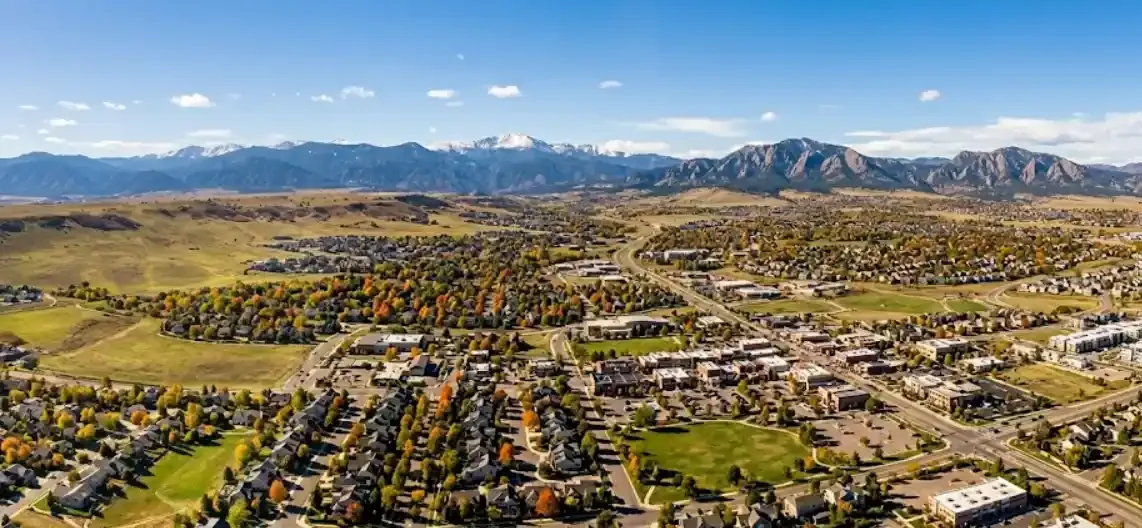
Hilltop occupies some of the higher elevation in Parker, and that elevation drives a distinctive plumbing concern: water pressure. To deliver adequate pressure to homes at the high points of the distribution system, the water utility maintains system pressures that can arrive at individual homes higher than ideal. The pressure dynamics across elevated terrain make pressure management a defining Hilltop issue.
High water pressure is a quiet but real driver of leaks and fixture wear. Pressure above roughly 80 PSI stresses fixtures, accelerates the wear on faucet cartridges and toilet components, shortens the life of supply lines and appliance connections, and increases the consequences of any failure that does occur. The pressure regulator valve (PRV) is the device that protects a home from excess pressure, and PRV health is central to leak prevention in Hilltop. A failed or absent PRV lets full system pressure into the home, where it works against every component. Call (303) 552-3896 for dispatch.
Hilltop elevation and pressure dynamics
Hilltop homes sit on elevated terrain that puts them among the higher-elevation points served by the local water distribution system. Serving high points requires the system to maintain pressure sufficient to reach them, which can mean higher delivered pressure at individual homes. The homes are newer construction with PEX supply, but PEX and every other component still suffers under sustained excess pressure.
The pressure regulator valve is the key protective device in any Hilltop home. The PRV installs where the water service enters the house and reduces the incoming pressure to a safe level, typically 50 to 60 PSI, regardless of the higher system pressure outside. A properly functioning PRV protects every fixture, supply line, and appliance connection in the home from the stress of excess pressure.
PRVs wear out. A PRV has internal components, a spring, a diaphragm, a seat, that degrade over 10 to 15 years, especially on the hard water that builds scale on the internal parts. A failing PRV may let pressure creep up gradually, or may fail and pass full system pressure into the home. Because Hilltop's elevation makes the incoming pressure higher to begin with, PRV failure has more serious consequences here than in lower-pressure areas.
Most Common Plumbing Leaks in Hilltop Parker, Parker CO
Pressure-driven fixture failures are the signature Hilltop pattern. Excess pressure accelerates the wear on faucet cartridges, toilet fill valves, and the seals throughout the fixtures, producing leaks earlier than the same fixtures would fail at normal pressure. A home with a failed PRV and full system pressure sees fixtures wearing out noticeably faster across the whole house.
PRV failures themselves are a recurring call. A PRV at end of life may leak from its own body, may fail to regulate (letting pressure climb), or may fail closed (restricting flow). PRV replacement is a common Hilltop service, and we routinely check PRV function and measure home pressure on any Hilltop call to catch a failing regulator before it damages fixtures.
Supply-line and connection failures occur more frequently under high pressure. The elevated pressure stresses supply-line connections, appliance hookups, and any marginal fitting, pushing failures earlier. A burst that would be a slow drip at normal pressure becomes a more serious leak under high pressure, which raises the stakes on prompt detection.
Water hammer and pressure-surge effects show up in high-pressure homes, where the pressure makes the shock of a quickly-closing valve more forceful. This can stress connections and produce noise; addressing it sometimes involves both pressure regulation and water-hammer arrestors.
Hilltop water pressure and conditions
Parker Water and Sanitation District serves Hilltop, and serving the elevated terrain means the system pressure delivered to these high-point homes can run higher than ideal without regulation. The very hard water at 9.2 grains per gallon compounds the pressure issue, since the hard water builds scale on PRV internal components, accelerating PRV wear and failure precisely where pressure protection matters most.
The recommended home water pressure is 50 to 60 PSI; pressure above 80 PSI is considered excessive and damaging. On Hilltop's elevated terrain, unregulated incoming pressure can exceed 80 PSI, which is why a functioning PRV is essential here. We measure home pressure on Hilltop calls as a standard step, because a pressure reading immediately reveals whether the PRV is doing its job.
Parker's elevation overall, at 5869 feet, and Hilltop's position among the higher points, make the pressure dynamics a permanent feature of plumbing here. Front Range freeze cycling adds the usual winterization concerns, with high pressure making any freeze-split failure more consequential.
Hilltop, Parker, CO · Parker Leak Repair Pros serves this area 24/7
Leak Detection & Repair Services in Hilltop Parker
PRV Leak
Pressure regulator service, the Hilltop specialty.
Faucet Leak
Pressure-accelerated cartridge wear.
Toilet Leak
Fill-valve wear under high pressure.
Pipe Leak
Pressure-stressed connections.
Water Line Leak
Service-line and supply work.
Residential Detection
Whole-home survey with pressure check.
Reaching Hilltop
Hilltop is within our Parker service area with prompt dispatch. The elevated-terrain road network is straightforward, and response times stay prompt across the neighborhood.
For the pressure-related issues that define Hilltop, we measure home water pressure as a standard step on every call. A pressure gauge on an exterior spigot immediately reveals whether the PRV is regulating properly. A reading above 80 PSI means the PRV has failed or is absent, and the excess pressure is stressing every component in the home. Catching a failing PRV early prevents the cascade of fixture failures that follow unregulated high pressure.
We carry PRV replacements and the parts for pressure-related repairs. When we find high pressure, we can install or replace the PRV on the spot, restoring proper regulation and protecting the home's fixtures and connections. For homes experiencing water hammer or pressure surges, we address both the pressure regulation and any needed water-hammer arrestors.
High pressure or PRV issue in Hilltop?
We measure pressure on every Hilltop call. Catch a failing PRV before it damages your fixtures.
☎ (303) 552-3896Frequently Asked Questions: Leak Detection in Hilltop Parker
Why does my Hilltop home have such high water pressure?
Your elevation. To deliver adequate pressure to homes at the high points of the distribution system, the water utility maintains system pressures that can arrive at elevated homes higher than ideal. Without regulation, that incoming pressure can exceed 80 PSI, which is damaging to fixtures and connections. The pressure regulator valve (PRV) where your water service enters the house is supposed to reduce it to a safe 50 to 60 PSI. If your pressure is high, either the PRV has failed or there is not one installed. We measure the pressure and address the PRV to bring it into the safe range.
How do I know if my PRV has failed?
Measure the pressure. A simple pressure gauge on an exterior spigot reads your home's water pressure directly. A reading of 50 to 60 PSI means the PRV is working. A reading above 80 PSI means the PRV has failed or is absent, and the excess pressure is stressing your fixtures. Other signs of a failing PRV include fixtures wearing out unusually fast across the whole house, water hammer or banging pipes, and a PRV body that is itself leaking. On any Hilltop call we measure the pressure as a standard step to catch a failing PRV early.
Does high pressure really cause leaks?
Yes, in several ways. Sustained high pressure accelerates the wear on faucet cartridges, toilet fill valves, and the seals throughout your fixtures, producing leaks earlier than they would occur at normal pressure. It stresses supply-line connections and appliance hookups, pushing those failures earlier too. And when a failure does happen, high pressure makes it worse: a connection that would weep slowly at 55 PSI can spray or burst at 90 PSI. Bringing the pressure into the safe 50 to 60 PSI range with a working PRV protects every component in the home and is one of the most cost-effective leak-prevention measures available.
Other Douglas County areas we serve
Hilltop sits on elevated terrain in eastern Parker, near these areas.