
Irrigation Leak Detection & Repair in Parker, CO
Irrigation leak detection through a zone-by-zone audit measures water flow on each circuit and identifies which zones are bleeding water beyond the schedule. Works for residential, large-lot equestrian, and commercial irrigation in Parker.
Zone audit on-site.
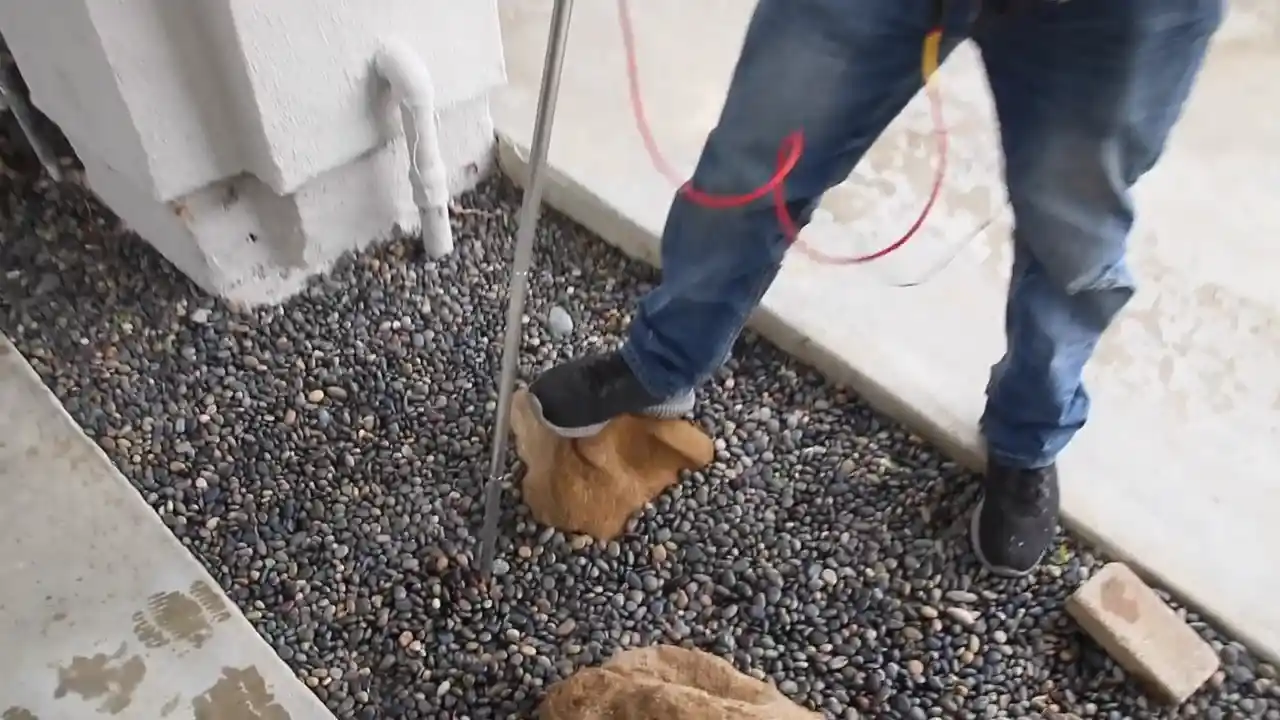
A zone audit measures the actual water flow on each irrigation circuit against the expected flow for the heads, drip emitters, or zone hardware installed. Zones running 10 percent or more over expected flow have a leak somewhere on that circuit. Zones running on schedule but draining the supply when the controller is off have a valve seat failure. The audit produces a complete picture of where the irrigation system is losing water before any repair work begins.
This approach scales from residential quarter-acre lots through large-lot equestrian properties in Franktown and Sedalia and into commercial irrigation across hundreds of feet of line. The same diagnostic logic applies; only the equipment and the time required scale up. Water-bill correlation often identifies that an irrigation leak exists before the homeowner sees any surface symptom. Call (303) 552-3896 for dispatch.
How We Detect Irrigation Leak Detection and Repair in Parker, CO
Detection runs systematically through every zone on the controller. The audit produces a documented record of zone-by-zone water performance.
Static pressure and flow test measures system supply pressure with all zones off, then with each zone activated in turn. Pressure drops outside expected ranges indicate either a leaking mainline or oversized water demand. The static measurement establishes the baseline against which zone-by-zone testing compares.
Zone-by-zone flow audit activates each zone individually, measures flow over a controlled duration (typically 5 to 10 minutes per zone), and records the actual gallons used. Comparison against the expected gallons per zone (calculated from head count and emitter ratings) shows which zones are losing water. Zones at 110 percent or more of expected flow have a leak.
Suspect-zone walkthrough covers visual inspection of any zone flagged in the audit. Most leaks show as soggy patches, geyser eruptions, or visibly broken heads once the suspect zone is running. The walkthrough often locates the leak in minutes once we know which zone to inspect.
Off-schedule loss test measures whether water continues to flow when the controller is supposedly off. A valve that fails to fully close releases water continuously, which often shows on the water bill but does not produce visible irrigation. Static system pressure should hold steady; any pressure drop with the controller off indicates a leaking valve.
Repair scope by audit finding in Parker, CO
Repair follows the audit. We focus on the zones flagged as failing rather than guessing across the whole system.
Broken head replacement on confirmed broken sprinkler bodies, pop-up assemblies, or rotor heads. Cost $40 to $150 per head depending on style and brand. Quick fix.
Lateral line repair at a fitting on confirmed lateral leaks. Most lateral failures are at fitting joints rather than mid-pipe. Cost $150 to $450 per repair point.
Valve replacement on confirmed leaking zone valves. Cost $180 to $400 per valve including parts and labor.
Mainline repair on the supply line between meter, backflow, and valve manifold. Cost $400 to $1,800 depending on depth and access.
Drip emitter replacement on degraded or scaled emitters. Cost $5 to $20 per emitter, plus labor for accessibility.
Full zone retrofit when a zone has multiple failures or is using outdated hardware. Modern matched-precipitation heads, pressure-regulating bodies, and weather-based smart controllers all improve efficiency and reduce future call frequency. Cost $400 to $1,500 per zone for full retrofit.
Pasture and commercial irrigation repair on equestrian outskirts (Franktown, Sedalia, Elizabeth) and commercial sites uses the same approach but at larger scale. Mainline runs of 100 to 500 feet and zone counts of 20 to 40 are common. Cost ranges shift upward proportionally.
Irrigation patterns by Parker property type
Standard residential irrigation on master-planned lots (Stonegate, Stroh Ranch, Idyllwilde, Cottonwood Parker, Canterberry Crossing, Bradbury Ranch, Lincoln Creek) typically runs 8 to 14 zones over a quarter-to-half acre. Leaks concentrate at zone valves and lateral fittings as systems age past 15 to 20 years. The valve manifold near the meter is the most common service location.
Larger-lot residential in Reata Ridge, Salisbury Heights, Hidden River, and Trails at Crowfoot can have 16 to 24 zones across one-acre-plus lots. The mainline runs are longer, the lateral counts higher, and the leak surface area greater. Annual audits make economic sense on these properties because undetected leaks can hide for months on systems this size.
Pasture irrigation in Franktown, Sedalia, and Elizabeth covers 1 to 10 acres with mainline runs of 200 to 600 feet. These systems often pair with private well supply, which adds water-source variables to the diagnostic picture. Mineral content from wells contributes to scale buildup on emitters and reducer assemblies.
Front Range freeze cycling shapes the spring service call volume. January lows of 13 to 22 degrees plus single-digit cold snaps damage backflow preventers, valve manifolds, and shallow components every winter. Proper winterization (compressed-air blowout) is essential in Parker. Skipping it almost guarantees freeze-damage repair calls in March and April.
Irrigation audit $200 to $700. Repair $40 to $1,800.
Residential audit $200 to $400. Pasture and commercial audit $300 to $700. Repair pricing: head $40 to $150, lateral fitting $150 to $450, valve $180 to $400. Mainline repair $400 to $1,800. Drip emitter $5 to $20 per unit. Full zone retrofit $400 to $1,500.
Water bill jumped during irrigation season?
Zone-by-zone audit identifies leaks invisible at the surface.
☎ (303) 552-3896Irrigation questions Parker properties call in with
How is an irrigation audit different from a sprinkler leak check?
A sprinkler leak check responds to visible symptoms like a soggy patch or a broken head. An irrigation audit measures every zone systematically against expected performance, which catches leaks before they produce visible symptoms. Audit work also identifies inefficient zones (over-spray, mismatched heads, undersized emitters) that are not leaks but waste water. Both have a place, but audits make more economic sense on larger properties or unexplained water-bill increases.
How often should I audit my Parker irrigation system?
Annual spring audit is the standard recommendation for systems past 10 years old or on properties over a half acre. Smaller residential systems with newer hardware may only need an audit every 2 to 3 years unless the water bill suggests a problem. Pasture and commercial irrigation should be audited annually regardless of system age because the cost of undetected losses scales with system size.
Can a leaking irrigation system damage my foundation?
Yes, especially in bentonite zones. A leak in the mainline or a lateral near the foundation saturates the clay, which then expands and stresses the slab or basement wall. Sustained leaks over weeks or months can cause measurable foundation movement. Crowfoot Valley, Trails at Crowfoot, and Hidden River properties especially benefit from annual audits because undetected irrigation leaks in those zones translate directly to foundation problems.
Related Leak Services in Parker, CO
Parker, CO & Douglas County Coverage
Irrigation system size scales with lot. Master-planned residential to large-lot equestrian to commercial.