
Leak Detection & Repair in Parker, CO
Acoustic listening, thermal imaging, tracer-gas, and pressure testing across Parker and Douglas County. We pinpoint the leak before anyone cuts your drywall, so the repair stays small.
Licensed plumber on the call.
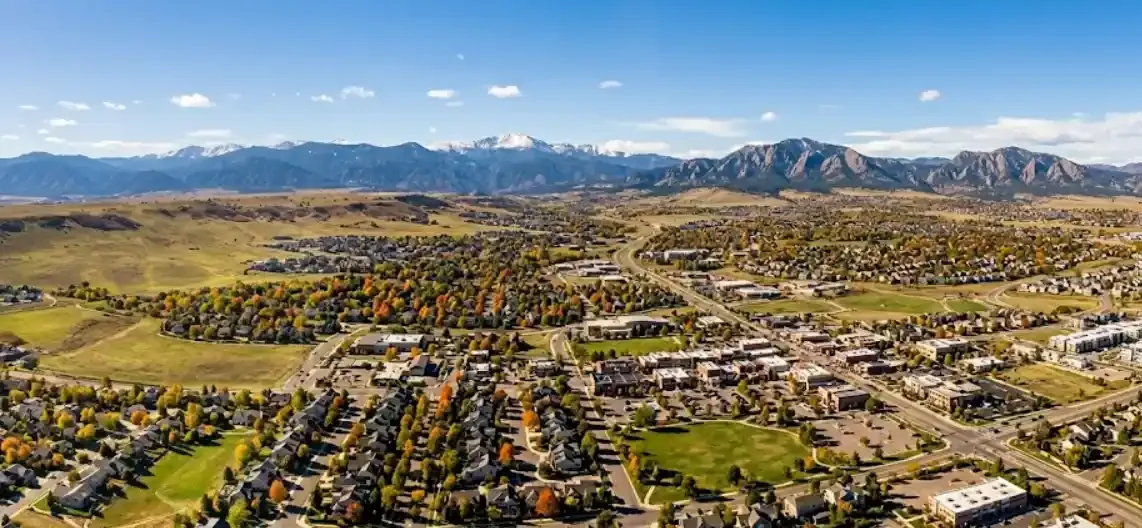
Leak Detection & Repair Services in Parker, CO
Parker calls us most for slab leaks under master-planned foundations, pool leaks in the Stonegate and Pinery cohorts, and sprinkler leaks across large lots and equestrian-property irrigation. The full 54-service list covers every line, fixture, and detection method we run.
Slab Leak Detection & Repair
Pinpoint detection through the concrete with acoustic and thermal tools. Spot repair, reroute, or epoxy lining based on what the leak is doing.
Pool Leak Detection & Repair
Pressure testing plumbing lines, electronic shell scanning, and fitting inspection. No draining the pool. Common in Stonegate and Pinery builds.
Sprinkler System Leak
Mainline, valve box, lateral, and drip-zone leaks. Large-lot irrigation in master-planned communities and pasture irrigation in Franktown and Sedalia.
Pinhole Leak Detection & Repair
Peak failure cohort right now is The Pinery 1970s copper and the 1990s master-planned phases. Acoustic plus moisture mapping locates the leak in minutes.
Foundation Leak Detection & Repair
Bentonite expansive clay in Crowfoot Valley and Trails at Crowfoot stresses foundation lines. We separate movement cracks from active leaks fast.
Water Heater Leak Detection & Repair
Tank, fitting, T&P valve, dielectric union, and pan leaks. PWSD's 9.2-grain hardness accelerates tank corrosion past the 10-year mark.
How We Detect Plumbing Leaks in Parker, CO
Every plumbing call where a homeowner is told to cut open drywall, dig up landscaping, or jackhammer a slab before the leak is even located is a sign of the wrong process. Acoustic listening, thermal imaging, tracer-gas, and electronic line tracing locate the leak first, often to within an inch.
That changes the repair. Instead of opening a four-foot section of wall to find a pinhole, we open six inches at the confirmed leak point. Instead of jackhammering a kitchen floor across two rooms, we cut a 10-inch square over the slab leak. The repair stays small because the locating work is precise.
Acoustic listening picks up the pressurized hiss at the leak point through wood, drywall, and concrete.
Thermal imaging reads temperature differences from hot or cold water moving where it shouldn't.
Tracer-gas detection uses a hydrogen-nitrogen mix pumped into the line and a surface sniffer to find the escape point.
Electronic line tracing follows the pipe path itself when the leak is under landscaping or slab.
Pressure testing isolates the leaking circuit before any access work begins.
How a Parker, CO Leak Detection Call Works
Most leak calls in Parker wrap inside one visit. The exception is a leak deep under a slab or pool deck, which sometimes runs to a second visit for repair work after the locating call.
Call answered by a plumber
You reach a licensed plumber at (303) 552-3896, not a call center. We ask three or four diagnostic questions to narrow the leak before dispatch.
On-site meter test
The first thing we run at your house is the PWSD meter check. Five minutes confirms whether the leak is on your supply side and roughly how big it is.
Pinpoint location
Acoustic, thermal, tracer-gas, or electronic tracing locates the exact leak point. You see the read and the spot before any access work starts.
Repair, retest, close
Repair at the confirmed point. Pressure test the fix. Note any related plumbing concerns we observed but did not touch. Clean up.
Emergency Leak Detection in Parker, CO
24/7 dispatch across Douglas County. Real plumber on the call, not an answering service.
☎ Call (303) 552-3896Parker CO & Douglas County Neighborhoods We Serve
We cover all 18 Parker neighborhoods, both Parker ZIPs (80134 and 80138), and six adjacent equestrian and commuter communities. The Pinery's 1970s copper-supply homes get one playbook. Mid-2000s PEX-transition builds in Trails at Crowfoot get another.
Parker Water Hardness & Its Effect on Your Pipes
Parker Water and Sanitation District is the dominant utility across the Town of Parker. Water is sourced from the Denver Basin Aquifer and the Rueter-Hess Reservoir, then treated at the Rueter-Hess Water Purification Facility. The hardness reads at about 9.2 grains per gallon, roughly 157 mg/L of calcium carbonate, which is classified as very hard.
PWSD-served homes
About 90 percent of incorporated Parker is on PWSD. Hardness reads consistent at 9.2 grains per gallon. Copper supply lines in the 1970s Pinery and 1990s master-planned cohorts show measurable wall thinning and pitting at the 25 to 40 year mark.
The Pinery and Pine Lane Estates
Private wells across The Pinery and Pine Lane Estates run noticeably harder, some past 300 ppm or 17 grains per gallon. Well-water hardness accelerates fixture wear, water heater scale, and joint corrosion compared to PWSD-treated supply.
Front Range freeze risk
January lows run 13 to 22 degrees Fahrenheit on average. Single-digit cold snaps hit every winter. Exposed pipe, hose bibs, and crawlspace supply lines are at real freeze risk on cold-snap mornings, especially in northern Parker 80138.
Signs of a Plumbing Leak in Your Parker, CO Home
- Water bill jumped 20 percent with no usage change. Hidden supply-side leak somewhere.
- Brown stain on a ceiling below a bathroom or laundry. Active drip from above.
- Warm spot on the floor in a slab home. Hot-water-side slab leak underway.
- Spinning water meter with every fixture off. Confirmed leak, somewhere on your supply.
- Pool dropping more than evaporation would explain. Liner, fitting, or plumbing leak.
- Soggy patch in the yard that won't dry out. Likely irrigation mainline or sewer line.
- Musty smell behind a wall or under a cabinet. Slow leak in framing or subfloor.
- Hissing sound near a wall when no fixture is running. Pressurized supply line leak.
Why Precise Leak Detection Matters in Parker, CO
Pinpoint, not perimeter
Locating accurate to the inch means the repair access opens six inches of wall, not four feet. That keeps the drywall patch, the tile work, and the paint match in a manageable scope.
Same-day, most calls
Most Parker leak calls are dispatched within an hour and located within the first visit. Slab leaks that require flooring access sometimes run to a second visit for the repair phase.
Up-front pricing
The plumber on the phone walks through detection cost ranges before dispatch. Repair pricing comes after the leak is located, so the estimate matches the actual scope.
Check for a Leak in 60 Seconds: Parker Homeowner Test
Five minutes on the phone narrows it down. Free to call. Douglas County dispatch 24/7.
☎ (303) 552-3896Frequently Asked Questions: Leak Detection in Parker, CO
How much does leak detection cost in Parker?
Most residential leak detection visits in Parker run $250 to $500. Pool leak detection sits at the higher end, $300 to $600, because plumbing line pressure testing and shell scanning take longer. The visit fee covers locating only. Repair pricing is quoted separately once the leak point is confirmed and the access work is understood.
Will you have to cut into my drywall or floor to find the leak?
Detection runs non-invasive first. Acoustic, thermal, tracer-gas, and electronic tracing locate the leak through finished surfaces without cutting anything open. Access work only happens at the confirmed leak point, which keeps the patch small. The exception is a leak deep under a poured concrete slab, where the access cut is unavoidable but stays under 12 inches in most cases.
Is this covered by homeowners insurance?
Sudden and accidental water damage is typically covered by Colorado homeowners policies. Long-term seepage usually is not. The leak detection visit itself is sometimes reimbursed when the resulting repair is filed as a covered claim. Documentation matters: we provide a written locating report with photos and the repair scope, which insurance adjusters generally need to process a Parker water-damage claim.
Do you work on pool leaks without draining the pool?
Yes, in most cases. Pool plumbing-line leaks get located through pressure testing on dry lines, run individually. Shell leaks get located through electronic scanning of the pool surface while the pool stays full. Draining is only required for major liner replacement work, not for standard leak location and most repair scopes.
My home is in The Pinery and has copper supply lines. Should I worry about pinhole leaks?
The Pinery is Parker's 1970s housing cohort. Copper supply from that era is now at the 45 to 50 year mark, which is past the typical pinhole-failure window for Front Range hard water. Some Pinery homes also pull from private wells running 300 ppm or harder, which accelerates copper wear past PWSD-served homes. A pressure test and visual inspection at year 40-plus catches early pinholes before the wall damage shows up. Worth scheduling if it has not been done.
Are you a real local company or a national lead service?
The call routes to a licensed Colorado plumber who works leaks in Parker and the surrounding Douglas County area. The phone is not an answering service. The plumber on the call dispatches a real crew. The license is on file with Colorado DORA.
Leak Detection Tips for Parker, CO Homeowners
Hard water, slab leaks, bentonite soil, freeze season, and more. Written for the conditions Parker homes actually face.
Slab Leaks in Parker: How to Spot Them Before They Spread
A slab leak hides under the concrete until it is expensive. These early signs let you catch one before the damage grows.
Pipe AgingThe Copper Pinhole Timeline: When Parker Homes Are at Risk
Copper pinhole leaks arrive on a schedule tied to your home's age. Here is when each Parker building era is most at risk.
Soil & FoundationsBentonite Clay and Your Foundation: Eastern Parker's Hidden Problem
The expansive clay under eastern Parker swells and shrinks, quietly stressing foundations and buried pipes.
Parker CO Housing Eras & Plumbing Leak Risk
Parker grew through three distinct housing cohorts, and each leaks differently. The era your home was built in changes which detection method we lead with.
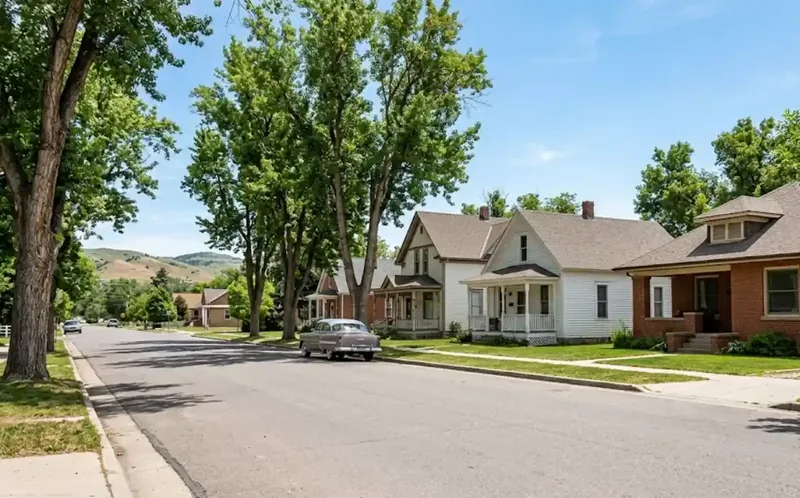
Pre-1955 & early Parker
Galvanized steel supply at end of life. Corrosion buildup restricts flow before it leaks. Whole-house repipe is usually the right call on these homes.
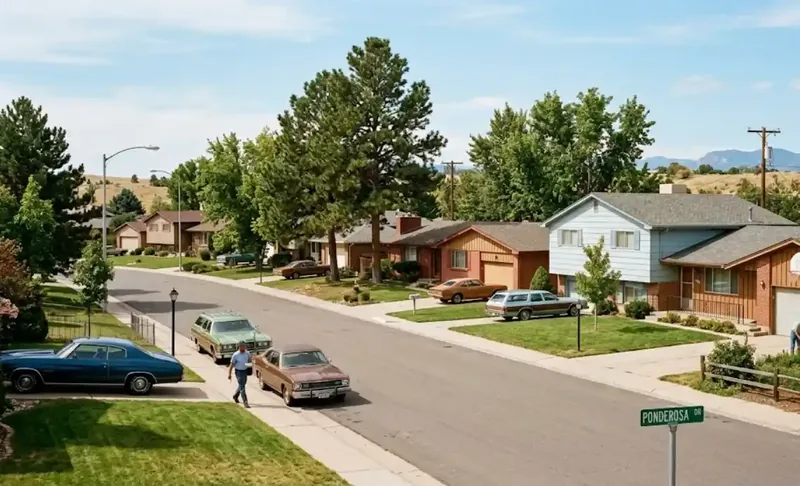
1960s — 1980s copper era
Copper supply lines on PWSD's 9.2-grain water. First pinholes appear at 40 to 50 years. The Pinery cohort is in the peak failure window right now.
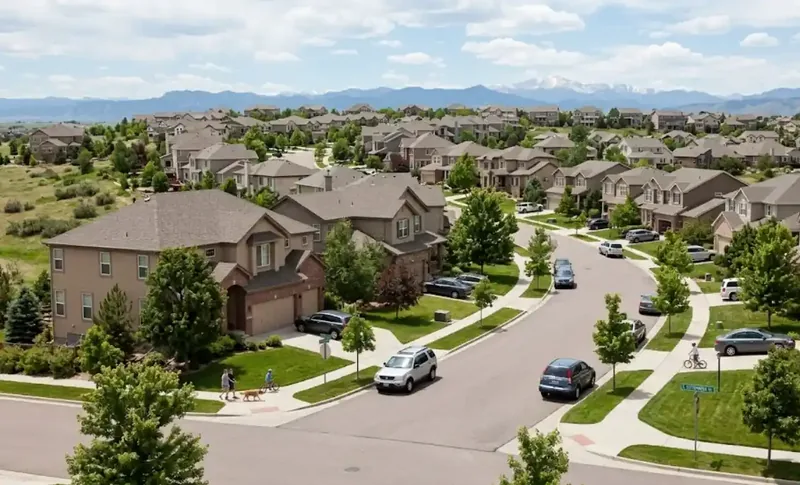
1990s+ PEX and mixed builds
PEX doesn't corrode, but connection points and appliance hookups fail. Stonegate, Stroh Ranch, and the newer eastern developments fall here.