
Sump Pump Leak Detection & Repair in Parker, CO
Sump pumps fail at four predictable points. The float switch sticks or breaks. The check valve loses its seal. The pump motor seal degrades. The discharge line outside freezes or detaches. Each failure has a distinct symptom and repair path.
Four-point check.
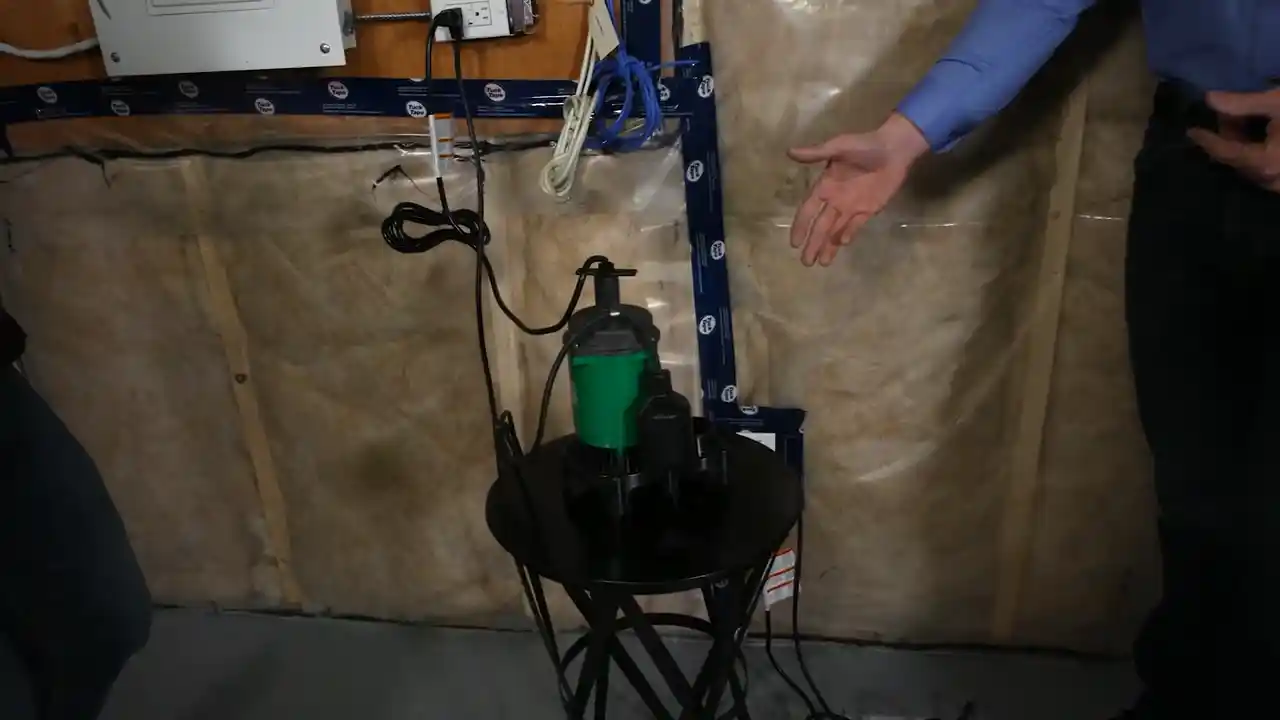
A sump pump system has four components that can each fail and produce different symptoms. The pit itself collects groundwater that infiltrates through footing drains or accumulates from foundation seepage. The pump sits in the pit and activates when the float switch detects rising water. The check valve on the discharge line prevents water from flowing back into the pit between pump cycles. The discharge line carries water from the pit out of the house and away from the foundation.
When something in this system fails, the basement floods quickly. A failed pump cannot keep up with infiltration during the next heavy rain. A failed check valve recycles water in and out of the pit, burning out the pump. A frozen discharge line in winter creates an emergency the moment the next melt cycle starts. Annual inspection in late summer or early fall catches problems before the high-load season. Call (303) 552-3896 for dispatch.
How We Detect Sump Pump Leak Detection and Repair in Parker, CO
Sump diagnostic runs through the four components systematically.
Pit inspection looks at water level, sediment accumulation, and any visible leaks at the pit-to-floor seal. Excessive sediment in the pit indicates inadequate filter screening on the pit cover; the sediment shortens pump life by clogging the impeller and overworking the motor. Pit-seal leaks let water escape into the surrounding floor area.
Float switch test manually raises the float to confirm pump activation, then lowers it to confirm shutoff. A switch that fails to activate the pump at the correct level is the most common single failure point. Tethered float switches catch on debris or pit walls. Vertical float switches stick from sediment buildup. Either failure leaves the pump non-functional during peak load events.
Check valve test measures whether water flows back into the pit after the pump cycles off. We watch the pit level for 30 to 60 seconds after a manual pump activation. Water flowing back means the check valve failed; the pump will then keep cycling and burn out within months.
Discharge line inspection traces the line from check valve to exterior exit point. Cold-weather inspections focus on whether the line is frost-protected or buried below frost depth (36 inches in Parker). Above-ground or shallow-buried discharge lines freeze in single-digit cold snaps and back the water up into the pit.
Motor and pump body inspection looks at the pump body for visible damage, the cord for fraying, and the impeller for obvious wear when the pump can be safely lifted from the pit.
Repair scope by component in Parker, CO
Sump component repairs are usually quick. Pump replacement is the most common scope.
Float switch replacement swaps the failed switch with a manufacturer-correct replacement. Cost $150 to $300 including parts. Vertical-style switches typically last longer than tethered switches in Parker pits because sediment buildup is the dominant failure driver.
Check valve replacement swaps the silent check valve on the discharge line. Cost $120 to $250.
Full submersible pump replacement when motor or impeller failure has occurred. New 1/3 HP pumps cover most residential needs; 1/2 HP for higher-flow applications or larger pits. Cost $400 to $900 installed including new check valve and electrical connection check.
Battery backup sump pump installation adds a secondary pump powered by a marine battery that activates if the primary fails or if utility power is out. Highly recommended in Parker because thunderstorms (the peak high-load event) sometimes bring power outages simultaneously. Cost $700 to $1,500.
Discharge line repair covers re-routing above-ground sections to bury them below frost depth, fixing detached connections, and adding freeze-protection sleeves on unavoidable exposed sections. Cost $400 to $1,500 depending on length and conditions.
Pit cover and sediment filtration upgrade when sediment accumulation is shortening pump life. New sealed pit covers with screened inlets keep debris out and reduce pump wear. Cost $250 to $500.
Sump systems by Parker construction era
Master-planned cohorts from the 1990s onward almost universally include sump pump installations in their full basements. Communities like Stonegate, Stroh Ranch, Idyllwilde, Cottonwood Parker, Canterberry Crossing, Bradbury Ranch, Lincoln Creek, Reata Ridge, Hidden River, Parker Vista, Black Feather, and Trails at Crowfoot fall in this group. Most original-construction pumps are now in the 15-to-30-year window, which is past expected service life.
Bentonite zones (Crowfoot Valley, Trails at Crowfoot, Hidden River) put higher loads on sump systems because moisture-driven soil movement around the foundation pushes more groundwater toward the footing drains. Properties in these zones often have pumps that run multiple times per day during wet weeks; failure of either the pump or the discharge line creates a basement flooding event quickly.
Front Range winter freeze affects discharge lines. Above-ground discharge lines or shallow-buried sections (less than 36 inches deep) freeze during single-digit cold snaps. The first January melt then sends water back into the pit, the pump activates, and the still-frozen discharge cannot carry water away. Either the pump burns out trying or the pit overflows. Either way, the homeowner has a basement flood at the worst possible time.
Front Range thunderstorms in summer occasionally bring power outages alongside the rain. A sump pump without battery backup goes dark exactly when it is needed most. This is the single biggest predictable failure scenario for Parker basement-flooding events.
Sump pump repair $120 to $1,500.
Diagnosis folds into repair. Float switch $150 to $300. Check valve $120 to $250. Full pump replacement $400 to $900. Battery backup install $700 to $1,500. Discharge line work $400 to $1,500. Pit cover upgrade $250 to $500.
Sump pump cycling constantly or not running?
Four-point diagnostic in 30 minutes on-site. Battery backup upgrade highly recommended.
☎ (303) 552-3896Sump pump questions Parker calls in with
How long should a sump pump last in Parker?
Standard 1/3 HP submersible pumps last 7 to 10 years on average residential use. Higher-grade pumps or 1/2 HP units last 10 to 15 years. Heavy use in bentonite zones (Crowfoot Valley, Trails at Crowfoot) cuts that lifespan by 30 to 40 percent because pumps run far more frequently. Light use in well-drained properties extends life proportionally. Replacement around year 8 to 10 is the standard preventive maintenance schedule.
Do I really need a battery backup?
In Parker, strongly recommended. The high-flow event (thunderstorm) sometimes brings power outages, which is exactly when the primary pump cannot run. Battery backup adds a secondary pump that activates either on primary pump failure or on power loss. The $700 to $1,500 install cost is dramatically less than typical basement flood damage of $5,000 to $40,000. Required if your basement is finished or you have stored valuables in it.
Why is my sump pump running constantly?
Three common causes. First, the check valve has failed and water is flowing back into the pit, so the pump keeps recycling. Second, the float switch is stuck in the on position. Third, infiltration into the pit has increased due to a failed footing drain, broken irrigation line near the foundation, or seasonal groundwater spike. The first two are quick fixes; the third requires diagnosing the upstream source.
Related Leak Services in Parker, CO
Parker, CO & Douglas County Coverage
Sump pump density tracks full-basement master-planned construction. Bentonite zones see the heaviest use patterns.