
Non-Invasive Leak Detection in Parker, CO
Non-invasive detection finds leaks without cutting drywall, breaking slab, or digging up the yard. Every method used reads through the existing surface. The destruction only begins once the exact repair point is confirmed, and then only at that point.
No demolition to find it.
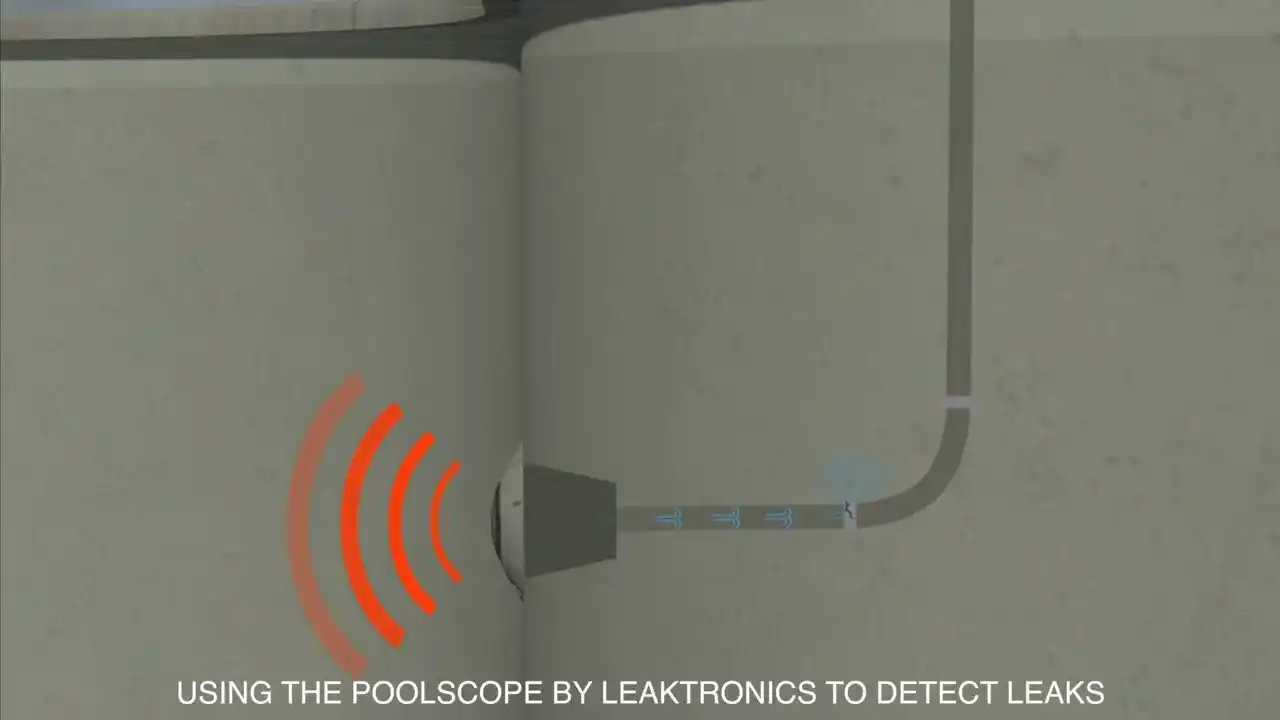
Non-invasive detection is a commitment to finding the leak without destroying anything to find it. Every technique reads through the existing surface: acoustic listens through walls and floors, thermal imaging sees through drywall, tracer gas migrates up through soil, moisture meters read through paint. The home stays intact through the entire detection process. The only cutting or digging happens at the confirmed repair point, after the leak has been located, and only there.
This matters because the old approach to leak finding was exploratory demolition: cut open the wall where the stain is, look around, cut another section if the leak is not there, repeat until found. That approach destroys far more than necessary, often opening several feet of wall to find a leak in one stud bay. Non-invasive methods reverse that: locate first, then open only the confirmed spot. The result is dramatically less destruction and dramatically lower restoration cost. Call (303) 552-3896 for dispatch.
How We Detect Non-Invasive Leak Detection in Parker, CO
Non-invasive detection draws on the full range of read-through-surface methods. Each one gathers information without opening anything.
Surface moisture mapping uses non-contact and pin-type moisture meters that read moisture content through paint and finish surfaces. The map shows where moisture has accumulated without any surface penetration. Pin meters make tiny holes the size of a pinprick; non-contact meters make none at all.
Thermal imaging reads temperature differentials across intact surfaces, revealing the moisture pattern behind drywall, under flooring, or within walls. The camera sees the thermal signature of hidden moisture without any contact at all. Whole walls and ceilings scan in minutes.
Acoustic listening hears the sound of pressurized leaks through walls, floors, and soil. Ground microphones and contact sensors read the leak signal without opening the surface. The method works through concrete, drywall, and soil.
Tracer gas survey on buried lines reads the gas escaping up through intact soil and hardscape. No digging happens until the gas has located the leak. The yard, the driveway, the patio all stay intact through the detection.
Pressure and flow testing isolates which line is leaking using the existing shutoffs and access points. No surface gets opened to determine which system has the problem; the testing uses the plumbing's own access points.
Camera inspection on drain and sewer lines enters through existing cleanouts and access points, traveling the line interior with no excavation. The camera reveals the line condition and locates problems from the inside.
The non-invasive payoff in Parker, CO
The entire value of non-invasive detection is realized at the repair stage, when the minimized access scope translates directly to lower cost and less disruption.
Finished-surface preservation. Homes with finished interiors (which is to say, almost all occupied homes) benefit most. A leak located non-invasively means the only damage to finished surfaces is the single small access cut at the confirmed repair point. Everything else stays intact.
Landscape and hardscape preservation. Buried-line leaks located non-invasively mean the yard, driveway, patio, and landscaping stay untouched except at the single excavation point. Mature plantings, stamped concrete, and paver surfaces are expensive to restore; minimizing the disturbance preserves them.
Reduced restoration cost. The restoration phase (drywall patching, texture matching, painting, flooring repair, sod replacement, hardscape restoration) is often the largest cost component of a leak repair. Non-invasive detection minimizes the restoration scope by minimizing the access, which directly reduces the total project cost.
Faster project completion. Less demolition means less restoration, which means faster completion. A leak located precisely and accessed minimally can often be repaired and restored in a single visit, where an exploratory approach might span days.
Occupancy during repair. Minimal-access repairs are far less disruptive to live around. Homeowners can usually stay in the home through a non-invasive detect-and-repair process, where extensive exploratory demolition might require relocation.
Non-invasive detection cost runs $250 to $600 depending on the methods required. The detection cost is consistently a fraction of the restoration cost it saves; the value proposition is strongest on finished homes and landscaped properties, which describes the overwhelming majority of Parker residences.
Non-invasive value across Parker housing
Finished basements in master-planned cohorts (Stonegate, Stroh Ranch, Bradbury Ranch, Lincoln Creek, Reata Ridge, Hidden River) make non-invasive methods particularly valuable. A basement leak located non-invasively means the finished walls, flooring, and ceiling stay intact except at the single repair point, where exploratory demolition could destroy substantial finished space.
Premium interior finishes (Salisbury Heights, Reata Ridge, Hidden River, Lincoln Creek) raise the stakes on access scope. Imported tile, custom hardwood, and designer finishes are expensive and sometimes irreplaceable; non-invasive detection protects them by keeping the access to the single confirmed repair point.
Mature landscaping in established neighborhoods (The Pinery, Downtown Parker, older master-planned phases) benefits from non-invasive buried-line detection. Decades-old trees, established gardens, and mature plantings are expensive to replace; minimizing excavation footprint preserves them.
Hardscape-heavy properties (premium pool installations, stamped concrete patios, paver driveways across the upscale cohorts) realize the largest non-invasive savings. Restoration of these surfaces runs into thousands of dollars per disturbed section; locating the leak before opening any hardscape minimizes the restoration scope dramatically.
Non-invasive detection $250 to $600.
Standard non-invasive detection $250 to $450. Complex multi-method non-invasive work $450 to $600. The detection cost is consistently a fraction of the restoration cost it saves by minimizing access scope. The value is strongest on finished homes and landscaped properties.
Want the leak found without tearing up your home?
Non-invasive methods locate through intact surfaces. Demolition only at the confirmed repair point.
☎ (303) 552-3896Non-invasive detection questions Parker calls in with
Can you really find a leak without cutting anything open?
Yes, in the vast majority of cases. The detection methods all read through existing surfaces: acoustic through walls and floors, thermal through drywall, tracer gas through soil, moisture meters through paint. The leak gets located while everything stays intact. The only cutting happens at the confirmed repair point after location, and only there. A small percentage of unusually difficult leaks require limited exploratory access, but most are located entirely non-invasively.
Is non-invasive detection less accurate than just opening the wall?
No, often more accurate. Opening a wall shows you only what is directly behind that opening; if the leak is elsewhere, you have destroyed drywall and learned nothing. Non-invasive methods survey the whole area and converge on the actual leak location before any opening. The result is usually a more accurate location with far less destruction. Modern detection equipment frequently outperforms the old cut-and-look approach.
Does non-invasive detection cost more?
The detection itself sometimes costs slightly more than a quick cut-and-look, but the total project cost is almost always lower because the restoration scope is minimized. The restoration phase (drywall, texture, paint, flooring, landscaping) is usually the largest cost in a leak repair. Non-invasive detection shrinks that phase by shrinking the access, which more than offsets any detection premium on finished properties.
Related Leak Services in Parker, CO
Parker, CO & Douglas County Coverage
Non-invasive value is highest on finished homes, premium interiors, and landscaped properties across Parker.