
Leak Detection & Repair in Crowfoot Valley, Parker CO
Crowfoot Valley sits at the center of Parker's bentonite expansive-clay concentration, where the soil's swell-shrink cycle moves the structures built on it. Here the leak story is about what soil movement does to slabs and foundations, and to the plumbing fixed within them.
Structural-shift expertise.
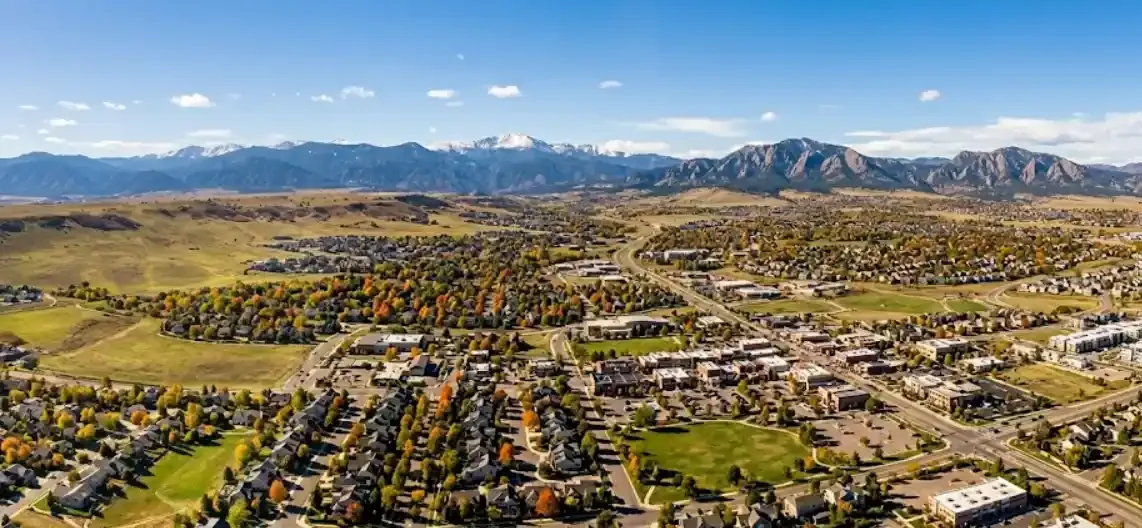
Crowfoot Valley is the heart of Parker's bentonite expansive-clay concentration. While the bentonite affects basements through water intrusion elsewhere, in Crowfoot Valley the defining issue is structural: the soil's powerful swell-shrink cycle physically moves the slabs and foundations the homes are built on. That movement is what stresses the plumbing fixed within and beneath the concrete.
When expansive clay absorbs water it swells with enough force to lift and tilt a foundation; when it dries it shrinks and the structure settles back unevenly. Over years of this cycling, slabs crack, foundations shift, and the rigid plumbing cast into or running beneath the concrete gets stressed at its weakest points. A slab leak in Crowfoot Valley is frequently the downstream result of this soil-driven structural movement rather than simple pipe aging. Understanding that connection is the core of leak work here. Call (303) 552-3896 for dispatch.
Crowfoot Valley construction on expansive clay
Crowfoot Valley homes are built on the most active expansive-clay soils in the Parker area, with construction approaches that attempt to accommodate the soil. Slab-on-grade and structural-floor foundations both appear, sometimes with engineered measures like void-form construction or post-tension slabs designed to handle the soil movement. The plumbing routing within these foundations is where the soil dynamic creates leak risk.
The swell-shrink cycle exerts remarkable force. Bentonite clay can generate swelling pressures of several thousand pounds per square foot when it absorbs water, enough to lift a foundation corner and tilt the structure. As the clay dries through Parker's arid summers, it shrinks and the foundation settles, often unevenly. This repeated movement is the structural stress that, over time, damages rigid plumbing.
Supply lines and drains cast into or running beneath the slab are most vulnerable. As the slab flexes and shifts with the soil, the rigid copper or the joints in the drain lines experience stress concentrations they were not designed for. The failures show up as slab leaks: supply pinholes or fitting separations, or drain-line breaks beneath the concrete.
Most Common Plumbing Leaks in Crowfoot Valley, Parker CO
Movement-induced slab leaks are the signature Crowfoot Valley pattern. As the expansive clay shifts the foundation, the supply lines beneath the slab develop stress-point failures: pinholes where the pipe flexed, or fitting separations where joints pulled apart. These present as warm floor spots, unexplained water-bill increases, or moisture at the slab edge, and locating them precisely is essential to minimize the jackhammer access.
Drain-line breaks beneath the slab occur from the same movement. The PVC or cast-iron drains running under the concrete can crack or separate at joints as the slab shifts. These leak into the soil beneath, sometimes worsening the local moisture cycling that drives further movement, a feedback loop that makes prompt repair important.
Foundation-adjacent supply and sewer issues develop where the lines enter the structure. The transition point where a buried line meets the foundation is a stress concentration when the foundation moves relative to the surrounding soil. Service-line and sewer-lateral failures at this entry point are a recognized Crowfoot Valley pattern.
Slab cracks themselves, while a structural rather than plumbing issue, sometimes channel any plumbing leak or surface water in ways that complicate diagnosis. Sorting a true plumbing leak from water following a slab crack is part of the Crowfoot Valley diagnostic.
Crowfoot Valley soil and water dynamics
Parker Water and Sanitation District serves Crowfoot Valley with very hard water at 9.2 grains per gallon. The hard water drives the usual fixture wear, but in Crowfoot Valley the expansive-clay soil is by far the dominant factor in the leak profile, well ahead of water chemistry.
The bentonite expansive clay concentrated in Crowfoot Valley, Trails at Crowfoot, Hidden River, and eastern Parker is among the most challenging foundation soil in the region. Its swell-shrink cycle is driven by moisture changes, so anything that adds or removes water from the soil near the foundation, irrigation, drainage, downspouts, plumbing leaks, drives the movement. Consistent soil moisture management is the key to limiting it.
Front Range precipitation and Parker's arid summers create the extreme moisture swing that maximizes the soil movement. Wet springs saturate the clay and it swells; dry summers desiccate it and it shrinks dramatically. This annual cycle is more pronounced here than the gentler moisture variation that gentler soils experience, which is why Crowfoot Valley foundations move more than foundations elsewhere in Parker. A plumbing leak adds a localized, year-round moisture source that intensifies the movement right where the leak is.
Crowfoot Valley, Parker, CO · Parker Leak Repair Pros serves this area 24/7
Leak Detection & Repair Services in Crowfoot Valley
Reaching Crowfoot Valley
Crowfoot Valley is in eastern Parker within our service area with prompt dispatch. The expansive-clay terrain shapes the neighborhood but does not slow our response, and slab-leak emergencies get rapid attention since an active under-slab leak worsens the local soil cycling.
For the movement-induced slab leaks that define Crowfoot Valley, we bring the full slab-detection toolkit. Acoustic listening through the concrete, thermal imaging for hot-water slab leaks, and pinpoint convergence to locate the leak before any concrete gets opened. The precision matters doubly here, because in expansive soil an oversized access opening can itself become a moisture-entry path that aggravates the foundation movement.
We approach Crowfoot Valley leaks with the soil context in mind. When we repair a slab leak, we also note whether the leak's location and the foundation's condition suggest ongoing soil-movement stress, and we advise on the drainage and moisture-management measures that limit further movement. Fixing the leak addresses the symptom; managing the soil moisture addresses the underlying driver.
Slab leak or foundation-movement issue in Crowfoot Valley?
We understand how the expansive clay stresses your slab. Precise detection, soil-aware repair.
☎ (303) 552-3896Frequently Asked Questions: Leak Detection in Crowfoot Valley
Why do slab leaks seem common in Crowfoot Valley?
The expansive-clay soil. Crowfoot Valley sits on bentonite clay that swells when wet and shrinks when dry, with enough force to move the foundation through the cycle. That movement stresses the rigid plumbing cast into or running beneath the slab, producing stress-point failures: pinholes where a supply line flexed, or fitting separations where joints pulled apart. So slab leaks here are frequently the downstream result of soil-driven foundation movement, not simple pipe aging. That is why managing soil moisture around the foundation matters alongside repairing the leak itself.
Can a plumbing leak make my foundation movement worse?
Yes, and it is a real concern in Crowfoot Valley. An under-slab plumbing leak adds a localized, year-round moisture source right at the foundation. In expansive clay, that constant moisture makes the clay swell in that spot while the surrounding soil follows the seasonal wet-dry cycle, creating uneven movement that stresses the foundation more than uniform seasonal cycling would. This is why prompt repair of slab and foundation-adjacent leaks matters more here than in stable-soil areas: the leak is not just losing water, it is actively driving the soil movement.
How can I limit the soil movement under my Crowfoot Valley home?
Consistent soil moisture is the goal. The movement comes from the clay swinging between wet and dry, so anything that evens out the moisture helps. Keep downspouts and grading directing water away from the foundation. Avoid heavy irrigation right against the house. Repair any plumbing leaks promptly so they do not create localized wet spots. Some homeowners use foundation watering systems in extreme dry spells to prevent the clay from shrinking too severely. We advise on the drainage and moisture measures specific to your lot when we are out for any leak work.
Other Douglas County areas we serve
Crowfoot Valley sits in eastern Parker's expansive-clay zone, near these areas.