
Helium Leak Detection in Parker, CO
Helium has the second-smallest molecule in nature. Helium leaks out through any opening water can leak through, then some. A mass-spectrometer sniffer detects helium concentrations down to parts per billion, which locates leaks no other method can find.
Hardest-case method.
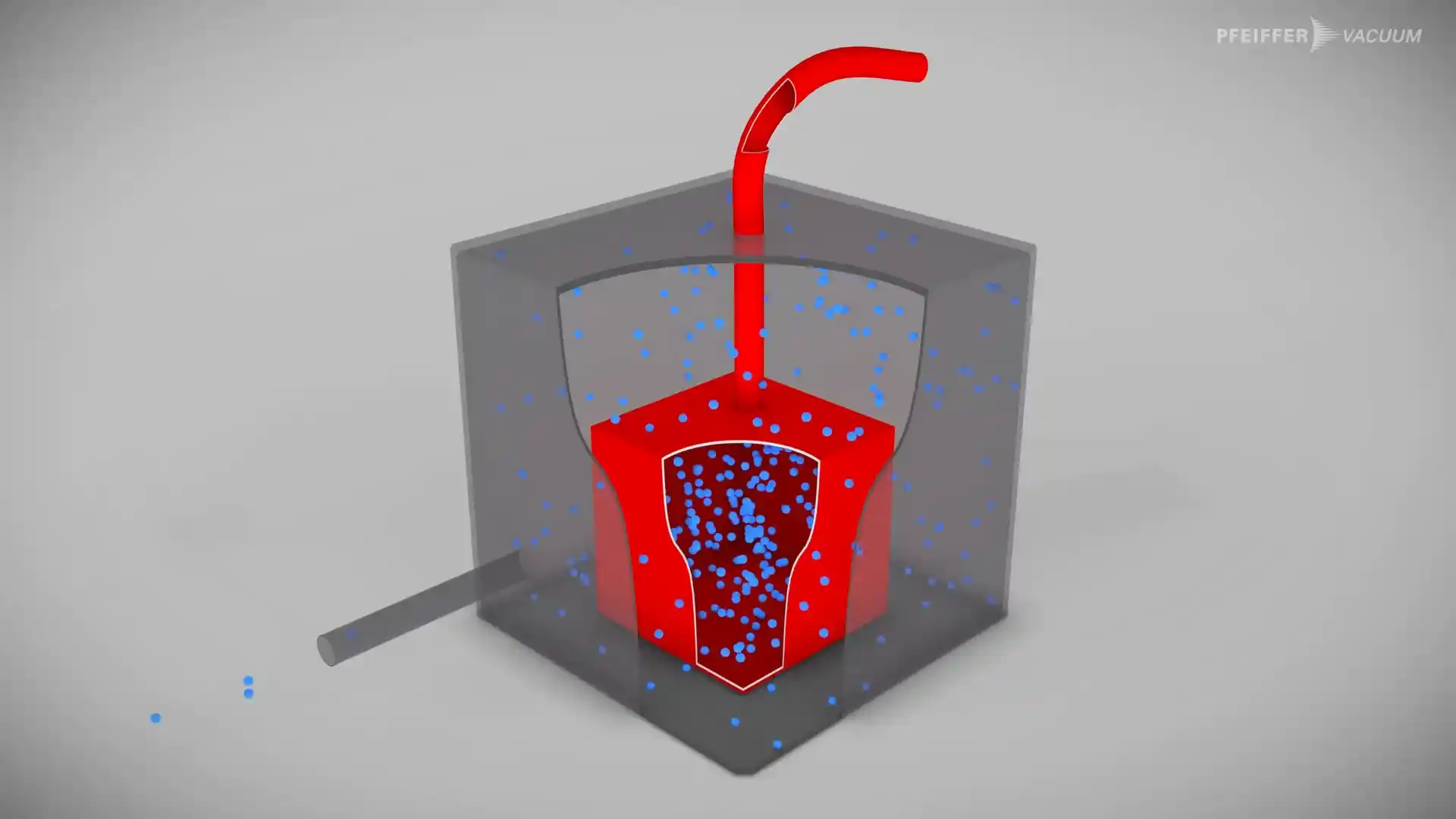
The helium atom is one of the smallest particles in nature, second only to hydrogen. Helium has no chemical reactivity, no flammability, no toxicity, and a noble-gas inertness that means it does not interact with anything in the plumbing system. Pressurize a suspect line with helium, walk the line path with a mass-spectrometer sniffer, and the sniffer locates helium concentrations down to single parts per billion at the leak point.
This method shines on the leak calls other methods cannot resolve. Inground pool plumbing where acoustic has not produced a confident location. Vacuum or low-pressure systems that cannot generate the sustained sound acoustic methods need. Slab leaks where the signal has dispersed too much for acoustic to localize. Specialty cases like leak-down on a pressure vessel or a closed loop system. Helium detection is more expensive than other methods but resolves the hardest cases. Call (303) 552-3896 for dispatch.
How We Detect Helium Leak Detection in Parker, CO
Helium detection runs a specific sequence built around the gas injection and sniffer use.
System preparation drains the suspect line of water, then connects a helium cylinder at the accessible end. The system has to be water-free or nearly so because residual water absorbs helium and reduces signal strength at the surface. For pool plumbing, this means closing zone valves and draining the targeted line down.
Helium pressurization introduces helium at 5 to 15 PSI depending on the system being tested. The helium fills the line; at any leak point, helium begins escaping out into the surrounding soil or building material. Pressurization continues throughout the detection process to maintain a steady helium presence at the leak.
Sniffer survey walks the suspect area with the mass-spectrometer sniffer probe. The probe inhales air samples and the instrument reads helium concentration in real time. Background atmospheric helium is about 5 parts per million; leak signal at the surface usually reads 50 to several hundred parts per million. The peak reading locates the leak point.
Confirmation testing at the suspected location may use a localized sniff with the probe held still for 10 to 30 seconds. An alternative is continuous monitoring while the helium pressure is briefly increased. The pressure-change correlation confirms the signal is real rather than a background artifact.
System restoration after detection vents the helium, then refills the line with water and returns the system to normal operation. The repair scope (excavation, cut and patch, or whatever the damage-type playbook calls for) happens after detection has marked the leak location.
When helium is worth the cost in Parker, CO
Helium detection costs more than acoustic, tracer gas, or thermal methods. The cost is justified on specific call types where other methods have failed or where the leak characteristics fit helium's strengths.
Acoustic-failed slab leaks. A slab leak that acoustic could not pinpoint or where acoustic produced multiple candidate locations sometimes resolves cleanly under helium. The helium concentration at the surface produces a sharp peak that does not have the lateral dispersion of acoustic signal through concrete.
Pool plumbing under hardscape. Inground pool plumbing under decks, patios, or cobblestone surfaces sometimes does not produce strong acoustic signal at the surface. Helium escapes through small soil and joint gaps reliably and reads clearly on the surface sniffer. Standard application on premium pool calls in Parker.
Vacuum or low-pressure systems. Solar thermal loops, hydronic heating systems, and closed-loop irrigation systems operate at pressures too low for acoustic methods. Helium injection through a pressurization fitting reveals leaks these systems do not show acoustically.
Very small leaks. Leak rates below 0.5 gallon per hour are below most acoustic equipment noise floors. Helium sniffers detect leak rates 10 to 100 times smaller because they measure cumulative concentration rather than ongoing sound.
Specialty diagnostic work. Pressure-vessel testing on water heaters, expansion tanks, or industrial equipment where the suspected leak is small but consequential. The helium method finds and quantifies the leak rate precisely.
Repair after helium-located detection follows the standard playbooks. Slab repair, pool plumbing repair, supply line repair, and so on. The detection cost premium pays for itself when other methods cannot locate the leak; on routine cases acoustic remains the cost-effective first choice.
When Parker calls warrant helium detection
Inground pool calls in master-planned premium cohorts (Stonegate, Reata Ridge, Salisbury Heights, Hidden River, Bradbury Ranch) account for the majority of helium-method work in Parker. Many calls come after a previous detection attempt by another contractor failed to locate a stubborn leak. Pool plumbing under expensive hardscape is the most common application; the property owner wants the leak located precisely before any decking gets opened.
Slab supply pinholes in 1990s and early-2000s master-planned cohorts that acoustic did not resolve cleanly are the second category. The Pinery 1970s slabs (where present, since most Pinery is crawl space) and pre-1980 Downtown Parker slabs that have produced repeat-failure detection attempts also fit.
Specialty Parker work covers solar thermal systems on premium homes that have closed-loop fluid circulation, hydronic radiant floor heating systems in newer luxury builds, and pressure-tested equipment leak-down assessments for commercial property managers.
The cost premium versus acoustic detection runs $200 to $500 per call typically. Customers calling for helium detection are usually past the price-shopping stage and want the leak found and fixed correctly. We tell homeowners straight whether helium is appropriate for their call or whether less expensive methods will work first.
Helium detection $500 to $950.
Standard residential helium detection $500 to $750. Pool plumbing or large-system helium work $650 to $950. Detection cost includes helium gas consumption, equipment setup, sniffer survey, and confirmation testing. Repair pricing follows the damage-type playbook for whatever helium locates.
Stubborn leak that other methods missed?
Helium detection resolves the cases acoustic and tracer gas cannot.
☎ (303) 552-3896Helium leak detection questions Parker calls in with
Why is helium detection more expensive than acoustic?
Three reasons. Helium gas itself is expensive and consumed during testing. The mass-spectrometer sniffer is significantly more expensive equipment than acoustic gear, with higher calibration and maintenance costs. And helium work usually requires more setup time, including system drain and pressurization steps that acoustic skips. The combination produces a cost premium of $200 to $500 over comparable acoustic detection on most call types.
Is helium safe to inject into my plumbing?
Yes. Helium is a noble gas, completely inert, non-toxic, non-flammable, and does not react with any plumbing material. It does not damage PVC, PEX, copper, galvanized, fittings, or seals. After detection the helium gets vented out and the system refills with water normally. The detection process leaves nothing behind that could affect future plumbing performance.
Will my home insurance pay for helium detection?
Sometimes. Standard Colorado homeowners policies cover detection costs when the underlying leak damage is a covered loss (sudden plumbing failures qualify on most policies). Long-term seepage usually does not qualify. The detection report and the specific method used (acoustic, helium, tracer gas, thermal) gets documented for the claim. Helium detection sometimes qualifies as the necessary cost to locate a covered leak when less expensive methods have failed.
Related Leak Services in Parker, CO
Parker, CO & Douglas County Coverage
Helium-method work concentrates in premium master-planned cohorts with inground pools and specialty systems.