
Acoustic Leak Detection in Parker, CO
Acoustic leak detection listens for the sound water makes when it escapes a pressurized pipe. The escape produces a characteristic hiss, rumble, or rush in the audible frequency range. Ground microphones and amplifying headsets pinpoint the source.
Listening on every visit.
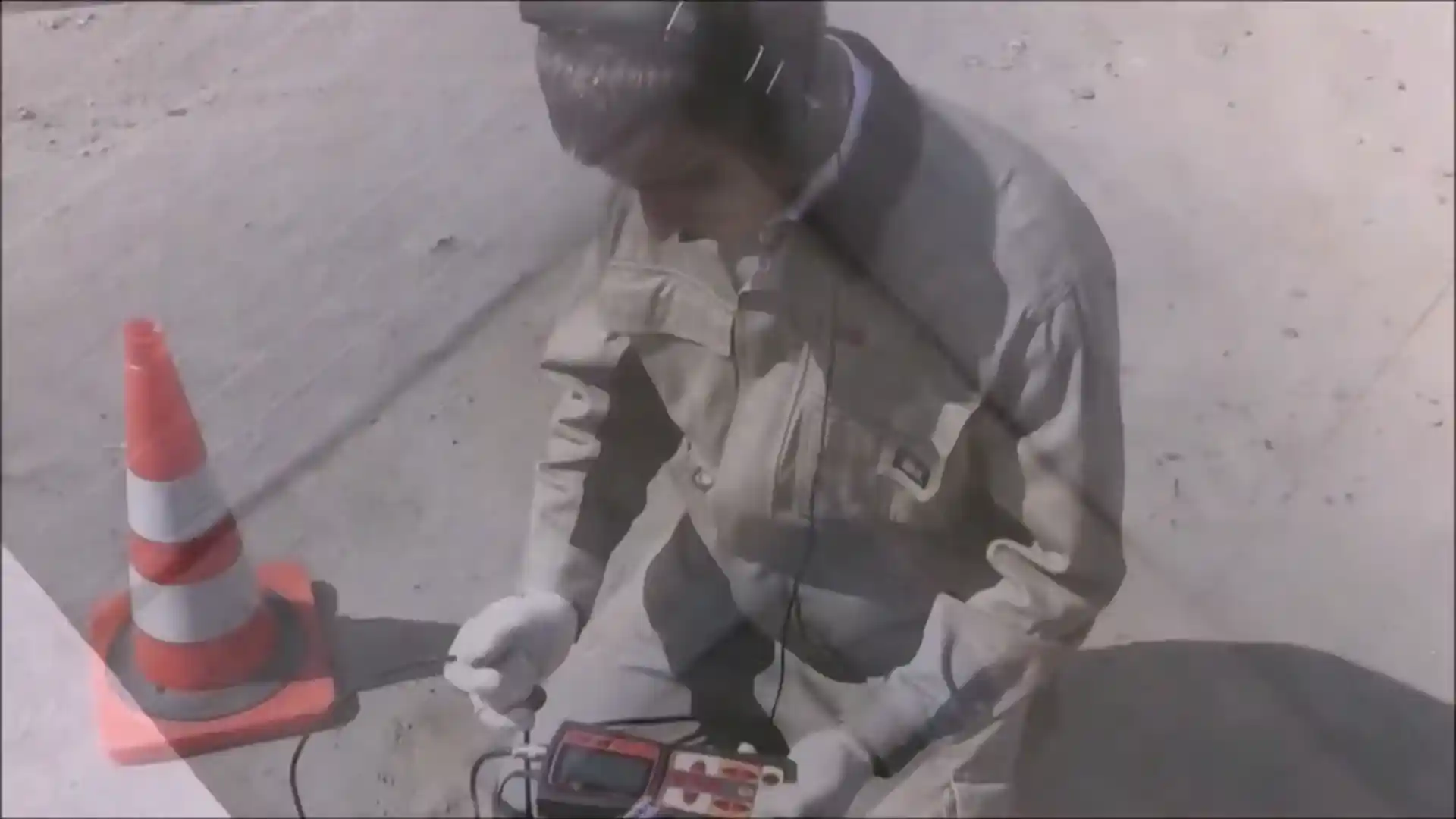
Water leaking from a pressurized pipe makes sound. The sound travels in two ways. Through the pipe wall itself as structure-borne vibration, and through the surrounding soil or building material as airborne or water-borne noise. Each pathway has a characteristic frequency signature that acoustic equipment can read. Most buried-line leaks produce frequencies in the 200 to 2,000 Hz range, well within the audible spectrum and well within the sensitivity range of professional acoustic gear.
Acoustic detection works best on pressurized supply lines, irrigation mainlines, and pool plumbing where the escape produces sustained sound. It works less well on drain-side leaks (no pressure, no sustained noise), on very small leaks below the noise floor, and in environments with high background noise. The technician's job is to know which scenarios fit acoustic methods and which need different approaches. Call (303) 552-3896 for dispatch.
How We Detect Acoustic Leak Detection in Parker, CO
Acoustic detection runs a structured sequence. Each step narrows the candidate area until the leak point pins down within 12 to 18 inches.
Background noise baseline establishes the ambient sound floor at the property. Traffic, HVAC, irrigation, neighboring construction all contribute noise that the gear has to distinguish from the leak signal. Quiet times of day (early morning, late evening) produce better readings; we schedule difficult calls during these windows when possible.
Contact microphone survey uses a hand-held probe pressed against accessible plumbing surfaces. Valves, hose bibs, riser pipes, equipment connections all produce louder leak signals through direct contact than through ground or soil. The contact microphone narrows which branch or zone is leaking before any ground work starts.
Ground microphone sweep on confirmed leak branches walks the line path with a ground microphone, listening for the peak signal location. The microphone has a sensitivity disc that picks up sound coming up through soil, concrete, or asphalt. Peak signal location is usually within 12 to 18 inches of the actual leak point on standard buried supply.
Headset amplification and filtering isolates the leak frequency from competing ambient noise. The headset has adjustable frequency bands so the technician can tune in to the leak signal and tune out wind, traffic, or HVAC hum. The amplification can be cranked enough to make a faint leak signal loud and clear.
Correlator triangulation on long-run lines (50-plus feet) uses two contact sensors placed at known points along the line. The correlator measures the time difference between when the leak sound reaches each sensor and calculates the leak position. Triangulation works on lines where the ends are accessible but the middle is not.
What acoustic finds and what it doesn't in Parker, CO
Acoustic detection has clear sweet spots and clear limitations. Knowing which applies on a given call saves diagnostic time.
Excellent on pressurized buried supply. Water service lines, irrigation mainlines, pool plumbing under decks, and slab supply at residential homes all produce strong acoustic signatures when leaking. Most Parker calls where acoustic is the primary tool fall here. Expected accuracy is within 12 to 18 inches of the actual leak point.
Good on slab supply leaks. Pressurized supply lines under concrete slabs produce acoustic signal that travels through the slab. The signal weakens with slab thickness and with rebar reinforcement, but is usually detectable. Pinpointing on slab can be slower than on buried soil because the signal disperses laterally through the concrete.
Limited on drain-side leaks. Drains carry water but not under pressure, so escaping water does not produce the same sustained acoustic signal. Drain leaks usually need camera inspection, smoke testing, or visual detection rather than acoustic.
Limited on very small leaks. Leaks below roughly 1 gallon per hour produce signal below most equipment's reliable noise floor. Small slow leaks sometimes show on tracer gas methods when acoustic does not.
Limited at high ambient noise. Properties near major roads, ongoing construction, or noisy HVAC equipment may need a return visit during quieter hours. The leak signal is there but cannot be distinguished from the background.
Acoustic detection finds the leak position. Repair then follows whatever damage-type playbook applies (slab repair, water line repair, irrigation repair, pool plumbing repair). Detection cost typically runs $250 to $500; repair cost varies by what acoustic locates.
Where acoustic is the right tool in Parker
The Pinery 1970s cohort generates frequent acoustic calls on copper supply pinholes in walls, slabs, and under-floor crawl spaces. The 45-plus year-old copper produces clear pinhole leaks that acoustic locates reliably. Wet-wall pinhole calls in the 1990s and early-2000s master-planned cohorts (Stonegate, Stroh Ranch, Idyllwilde, Canterberry Crossing, Cottonwood Parker) follow the same pattern.
Inground pool plumbing under decks (Stonegate, Reata Ridge, Salisbury Heights, Hidden River, Bradbury Ranch) is where acoustic earns its keep on pool calls. The buried lines from equipment pad to pool produce strong leak signal when pressurized. Pressure testing each line individually then acoustically locating the leaking line is the standard inground pool diagnostic workflow.
Irrigation mainlines under hardscape (driveway, walkway, patio) are similar. The buried PVC produces leak signal that ground microphones pick up. Walking the line path with a ground mic locates the failure point precisely before any hardscape gets opened.
Front Range freeze-cycle damage on irrigation mainlines and pool plumbing produces a service-call wave each spring. Acoustic methods are the primary diagnostic tool for these calls because the damage points are usually mid-line rather than at visible fittings.
Acoustic detection $250 to $500. Repair varies by source.
Standard residential acoustic detection $250 to $400. Pool plumbing or large-property acoustic work $350 to $500. Detection cost typically folds into the repair cost when we proceed with the fix on the same visit. Repair pricing follows the damage-type playbook for whatever acoustic locates.
Hidden leak that needs precise location?
Acoustic detection pinpoints within 12 to 18 inches before any digging or cutting.
☎ (303) 552-3896Acoustic leak detection questions Parker calls in with
How accurate is acoustic leak detection?
On standard buried supply or pressurized plumbing, acoustic methods locate within 12 to 18 inches of the actual leak point. Slab leaks under concrete can be 18 to 24 inches due to signal dispersion through the slab. Tighter accuracy is sometimes achievable with multiple sensor positions and longer listening time. The accuracy matters because the precision determines how small an access cut or excavation is needed for repair.
Can acoustic detection find a leak through concrete or asphalt?
Yes. The sound from a pressurized supply leak travels up through concrete or asphalt at lower intensity but is still detectable with quality ground microphones and proper amplification. Driveways, sidewalks, patio surfaces, and parking lots all allow acoustic detection of the line underneath. Detection through 4 to 6 inches of concrete is routine; through deeper substrate the signal weakens but is usually still readable.
What if acoustic detection cannot find my leak?
We switch methods. Acoustic has clear limitations on drain-side leaks, very small leaks below the equipment noise floor, and high-ambient-noise environments. On calls where acoustic does not produce a confident location, the next steps are usually tracer gas injection (for buried supply), thermal imaging (for wet building materials), or camera inspection (for drain-side suspects). The diagnostic process keeps escalating until the leak is located.
Related Leak Services in Parker, CO
Parker, CO & Douglas County Coverage
Acoustic methods cover most Parker neighborhoods. Pre-1980 cohorts generate the most pinhole-related calls.