
Whole-House Repipe Service in Parker, CO
Whole-house repipe replaces every supply line in your home with PEX. The project pays back when copper has aged past the pinhole window, when multiple leaks have appeared within 18 months, or when galvanized supply has reached end of life. Project scoping clarifies whether repipe makes sense for your specific home.
Honest go/no-go advice.
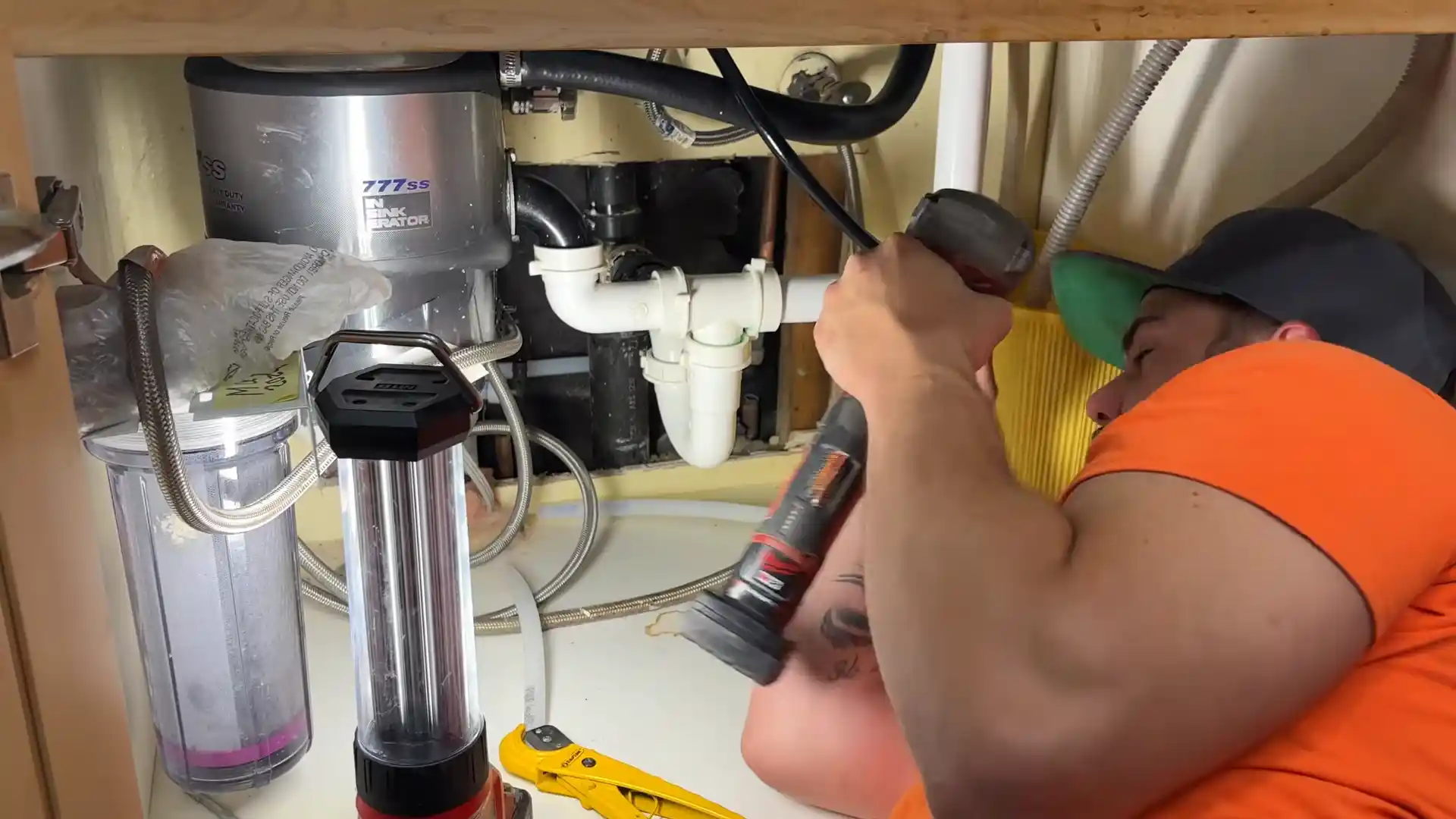
A whole-house repipe abandons all existing supply piping and runs new PEX through walls, ceilings, and crawl spaces to every fixture in the home. The new system uses a central PEX manifold or a series of branch tees, depending on the layout chosen. The decision to repipe versus continue spot-repairing the existing system depends on age, material, leak history, and the math comparing repipe cost against the next several years of expected repair costs.
Parker has two cohorts where repipe makes economic sense for many homes today. The Pinery 1970s development with original copper supply now 45-plus years old. The 1990s and early-2000s master-planned phases (Stonegate, Stroh Ranch, Idyllwilde, Canterberry Crossing, Cottonwood Parker) with original copper at 25 to 35 years. Pre-1980 Mainstreet and Downtown Parker homes with original galvanized supply are essentially always repipe candidates because galvanized has no remaining useful life. Call (303) 552-3896 for dispatch.
How We Detect Whole-House Repipe Service in Parker, CO
Repipe is a project rather than an emergency repair, which means the scoping process matters. We do not push repipe on every old copper home; the math has to work.
Existing system audit walks through the home identifying the supply material, age, accessible run paths, fixture count, and any visible signs of aging (green oxidation on copper, rust on galvanized, fitting corrosion, repair patches). We document the audit so the proposal includes specifics rather than generic copy.
Leak history review covers prior repair visits in the past 5 years. Two or more pinhole repairs within 18 months on a 25-plus-year copper system shifts the math toward repipe. One isolated repair on otherwise healthy copper usually does not.
Access route planning identifies where new PEX runs can go without major demolition. Attic, basement, and crawl space spaces are preferred. Some routes require limited drywall access in walls or ceilings; the scope and patching work get documented in the proposal.
Cost-benefit calculation compares the repipe cost against the expected next-five-years repair cost on the existing system. For copper past 30 years with one pinhole, the math usually favors repipe within 5 years. For copper past 40 years, repipe almost always pencils out.
Manifold vs branch tee decision depends on home layout and homeowner preference. Manifold systems centralize all fixture control at one location, simplify future repairs, and allow independent shutoffs. Branch tee systems use less PEX but trade off individual control. We recommend manifold for most Parker repipes but explain both options.
Repipe project execution in Parker, CO
The actual repipe runs 2 to 5 days depending on home size, access conditions, and fixture count.
Day 1: setup and rough-in covers placing the new PEX manifold, running primary trunk lines through accessible spaces, and beginning fixture branch runs. The existing supply remains active during this phase. The crew on a standard 3-bedroom Parker home consists of 2 to 3 licensed plumbers plus a helper.
Day 2: branch completion and pressure test finishes the PEX runs to every fixture, including kitchen, all bathrooms, laundry, water heater, hose bibs, and any other supply consumers. Pressure testing happens before any wall closures to confirm zero leaks in the new system.
Day 3: transition and old system abandonment connects the new system to the supply at the main entry, abandons the old supply runs in place, and connects each fixture to its new PEX branch. The home transitions from old supply to new supply during this day; water service is interrupted for 2 to 6 hours during the cutover.
Day 4-5: drywall patching and finish closes any wall or ceiling openings made for access. Texture matching, primer, and one coat of paint on patched areas. Final pressure test and walk-through with the homeowner.
Slab-on-grade complication on homes with underslab supply (most 1990s and 2000s master-planned cohorts) means the new PEX has to route through walls, ceilings, or attic rather than through the original underslab path. This adds 1 to 2 days to the schedule and increases drywall scope.
Code compliance and permitting on Parker repipes runs through Douglas County permitting. We pull the permit, schedule the rough-in and final inspections, and provide the homeowner with documentation suitable for resale disclosure.
Where repipe makes sense in Parker
The Pinery 1970s development is the highest-priority repipe cohort in Parker. Original copper supply at 45-plus years has reached end of useful life on very hard water. Multiple pinhole events within 12 to 24 months are common in this cohort, and continued spot repairs become uneconomic. Whole-house repipe to PEX usually pays back within 3 to 5 years against the next several pinhole repairs.
The 1990s and early-2000s master-planned cohorts sit at the 25-to-35-year mark. First-pinhole events are happening across this cohort now. Second pinholes within 18 months of the first are reliable indicators that repipe makes economic sense. Parker Water and Sanitation District hardness at 9.2 grains per gallon is the primary chemistry driver behind the pinhole-failure clock.
The Pinery and Pine Lane Estates owners face an accelerated failure clock. Well water hardness past 17 grains per gallon shortens copper life by 5 to 10 years compared to PWSD-served homes.
Pre-1980 Mainstreet and Downtown Parker homes with original galvanized supply are always repipe candidates because galvanized has no remaining useful life. Repipe on these homes also improves water pressure because internal scale buildup in old galvanized severely restricts flow. Mid-2000s and newer builds used PEX supply at original construction, so repipe is rarely needed in those cohorts.
Whole-house repipe $5,500 to $14,000.
Standard Parker repipe pricing: 2-bedroom or smaller home $5,500 to $7,500. 3-bedroom 2-bath $7,000 to $9,500. 4-bedroom multi-bath $9,000 to $12,500. Slab-on-grade complication adds 10 to 15 percent. Manifold system adds $500 to $1,000 over branch tee. Pricing includes permitting, drywall patching at access points, and one-year workmanship warranty.
Recurring pinholes or galvanized supply?
Honest scoping. We tell you if repipe makes sense for your home, not just sell the project.
☎ (303) 552-3896Whole-house repipe questions Parker calls in with
How do I know if my home needs a repipe?
Three indicators. First, age and material: copper past 30 years on PWSD water (or past 25 on private well) is in the high-risk window. Galvanized of any age past 1980 is functionally end-of-life. Second, leak history: two pinhole events within 18 months strongly suggests repipe. Third, water pressure or quality issues: significant pressure drop or visible rust at fixtures often indicates galvanized scale buildup that repipe will resolve.
Can I live in the house during the repipe?
Yes, most homeowners stay during the project. Water service is fully active most of the project; the only significant interruption is the 2 to 6 hours during cutover on day 3. We coordinate the cutover timing with the homeowner and recommend stocking drinking water and using a restaurant or hotel for showers on cutover day. Many Parker repipes happen entirely during weekday hours with the family present.
Does a repipe increase my home's resale value?
Usually yes in Parker's older housing stock. Buyers shopping in The Pinery, pre-1980 Downtown Parker, or older master-planned phases are increasingly aware of plumbing-age concerns and price the risk into offers. A documented whole-house repipe with permits and warranties removes that risk entirely. Most real estate appraisers credit a complete repipe at 50 to 70 percent of its cost in the appraised value, plus the marketability advantage during sale.
Related Leak Services in Parker, CO
Parker, CO & Douglas County Coverage
Repipe priority tracks housing era. Pinery 1970s and 1990s master-planned hold most repipe candidates.