
Inground Pool Leak Detection & Repair in Parker, CO
Inground pool plumbing runs through clay under the deck before reaching the pool. A leak in that buried section is the most expensive inground pool failure to repair. The shell, the deck-side fittings, and the equipment pad together make up the rest of the inground failure map.
Plumbing line pressure tested.
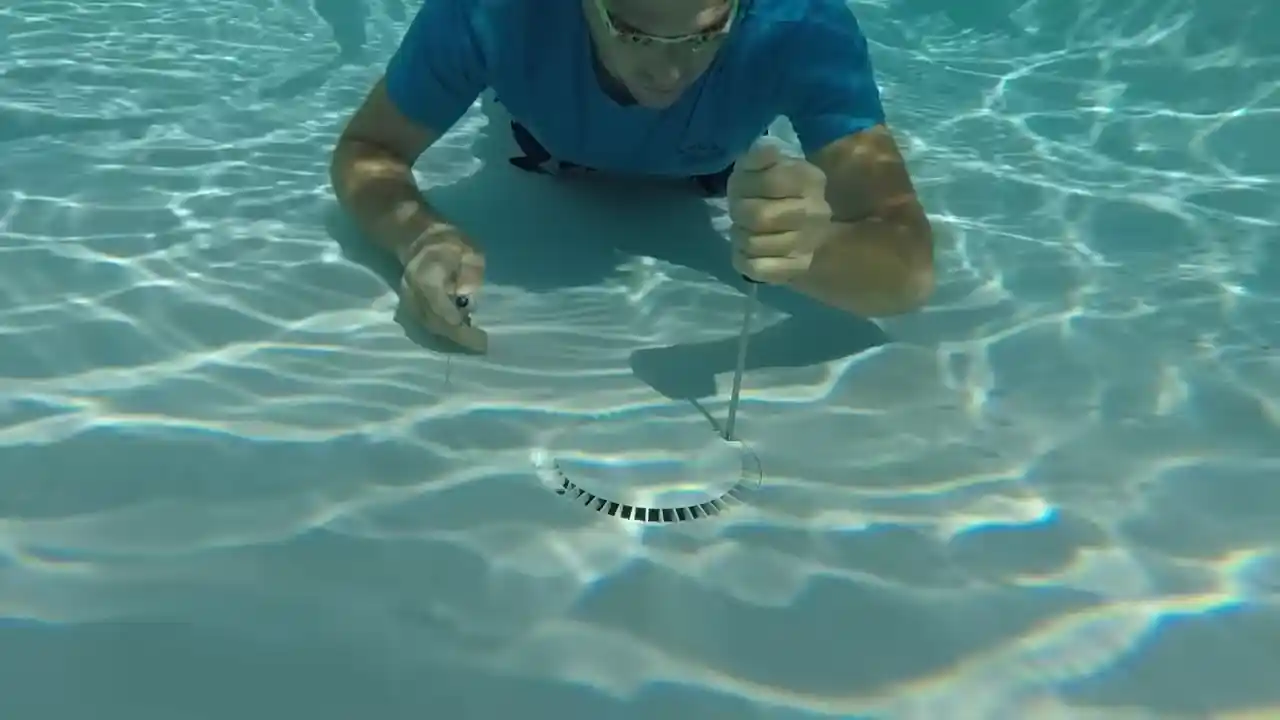
Inground pools differ from above ground primarily in where the plumbing runs. From the equipment pad on the property, supply and return lines travel 15 to 50 feet underground through clay soil, then enter the pool through deck-side penetrations. A leak in that buried section is the most expensive inground pool failure to repair because excavation is required. Detection has to locate the buried line break precisely before any digging starts.
The pool itself can leak too. Shell cracks in gunite or plaster construction, fitting failures at the skimmer or returns, light niche seal failures, and main drain housing failures all sit on the inground failure map. Each has a distinct diagnostic and repair scope. Vinyl-liner inground pools add liner-specific failures on top of the shell, plumbing, and fitting categories. Call (303) 552-3896 for dispatch.
How We Detect Inground Pool Leak Detection and Repair in Parker, CO
Inground detection works the four zones systematically: buried plumbing, shell, deck-side fittings, and equipment pad.
Pressure testing on each plumbing line isolates the buried section as a candidate. We cap each plumbing run individually at the pool side, then pressurize from the equipment pad. A line that holds pressure is intact. A line that drops pressure is leaking somewhere along its run. Pressure decay rate roughly correlates with leak size.
Acoustic and electronic line tracing locates the leak point along a confirmed leaking line. The buried line gets pressurized while we walk the marked line path with a ground microphone or with an electronic locator. Most buried pool plumbing leaks locate within 18 inches of the actual leak point. The marked surface position tells the excavator where to dig.
Shell crack inspection covers visible cracking in gunite, plaster, or vinyl liner. Dye testing at suspect cracks confirms whether the visible crack is active or just cosmetic. Most pool shell cracks in Parker pools are non-leaking, even when they look concerning.
Equipment pad inspection covers the pump, filter, multiport valve, salt cell or chlorinator, heater, and all the fittings on the pad. Equipment leaks often present as a generic pool-losing-water symptom even when the actual loss is happening on the pad itself.
Repair scope by zone in Parker, CO
Each zone has its own repair pricing. The cost gap between equipment-pad repair and buried-plumbing repair is significant.
Equipment pad repair covers pump seal replacement, filter housing repair, multiport valve rebuild or replacement, and pad fitting work. Cost $80 to $900 depending on the failed component. Quick fix in most cases.
Deck-side fitting repair covers skimmer face plate gaskets, return jet fittings, main drain housing seals, and light niche gaskets. Some repairs work without draining (underwater epoxy systems on shell-mounted fittings); others require partial draining to below the fitting. Cost $250 to $800.
Shell crack repair on confirmed leaking cracks uses epoxy injection. Surface cracks get sealed underwater; structural cracks (typically at the deep-end transition) sometimes require partial drain and a more involved injection process. Cost $400 to $1,800 depending on crack length and depth.
Buried plumbing repair excavates the deck or surrounding hardscape at the located leak point. We open the smallest access necessary, typically a 3-by-3 foot section. The failed plumbing section gets replaced; the access gets backfilled and the deck restored. Cost $1,500 to $4,500 depending on hardscape type and restoration scope.
Vinyl liner pool repair follows the pool liner playbook when the inground pool uses vinyl construction. Liner patches, fitting gasket work, and full liner replacement all apply.
Where inground pools concentrate in Parker
Inground pools cluster in Parker's master-planned premium cohorts. Stonegate, Reata Ridge, Salisbury Heights, Hidden River, Bradbury Ranch, Lincoln Creek, and the newer Pinery phases all have meaningful inground pool prevalence. Larger lots in equestrian outskirts (Franktown, Sedalia) sometimes include inground installations on properties that can support the construction cost.
Douglas County clay-and-bentonite soil affects buried pool plumbing. Bentonite-rich areas (Crowfoot Valley, Trails at Crowfoot, eastern Parker) put stress on PVC pool plumbing as the soil expands and contracts with moisture. Buried-line leaks happen earlier in these zones than in standard clay loam.
Front Range freeze cycling drives spring leak calls every year. Pool plumbing freezes and splits during cold snaps when winterization was incomplete. January lows of 13 to 22 degrees plus the periodic single-digit cold snap put real stress on lines not properly drained.
Parker Water and Sanitation District's 9.2-grain water contributes to faster pump seal wear and salt cell scaling. Equipment pad maintenance intervals on Parker pools are typically 25 to 35 percent shorter than soft-water market averages.
Inground pool leak repair $80 to $4,500.
Detection $300 to $600. Repair pricing by zone: equipment pad $80 to $900, deck-side fittings $250 to $800, shell crack $400 to $1,800, buried plumbing $1,500 to $4,500 including hardscape restoration.
Pool losing water faster than evaporation?
Four-zone diagnostic on the first visit. Buried plumbing located before any digging.
☎ (303) 552-3896Inground pool questions Parker calls in with
How can you tell if it's the buried plumbing without digging?
Pressure testing each plumbing run individually. We cap the line at the pool, isolate it from other runs, and apply 5 to 15 PSI test pressure. A line that holds pressure is intact. A line that drops pressure has a leak somewhere on its run. The drop rate correlates with leak size. Once we have confirmed a leaking line, electronic locating finds the leak point along the marked line path before any excavation starts.
Will you have to tear up my pool deck?
Only at the located leak point, and only the smallest access necessary. Most buried plumbing repairs open a 3-by-3 foot section of decking or landscaping at the marked leak location. We coordinate with concrete or paver contractors for restoration where needed. Trenchless directional drilling is sometimes an option for full plumbing line replacement that avoids tearing up extensive hardscape, at a cost premium.
My pool only loses water when the pump runs. What does that tell you?
Pressure-side leak. The leak only flows when the pump pressurizes the return lines, so the loss only happens during run time. We pressure-test the return lines first on those calls; the leak is usually at a fitting under the deck or near the return jets on the pool wall. Pressure-side leaks are easier to locate than suction-side because they create a definite signature during the test.
Related Leak Services in Parker, CO
Parker, CO & Douglas County Coverage
Inground pool density concentrates in premium master-planned cohorts and large-lot subdivisions.