
Wall Leak Detection & Repair in Parker, CO
Wall leaks in Parker come from two different worlds. In-wall plumbing failures release water from inside the wall cavity. Exterior water intrusion brings water in from outside through windows, siding, or roof transitions. The detection approach for each is completely different.
Plumbing vs intrusion diagnosed.
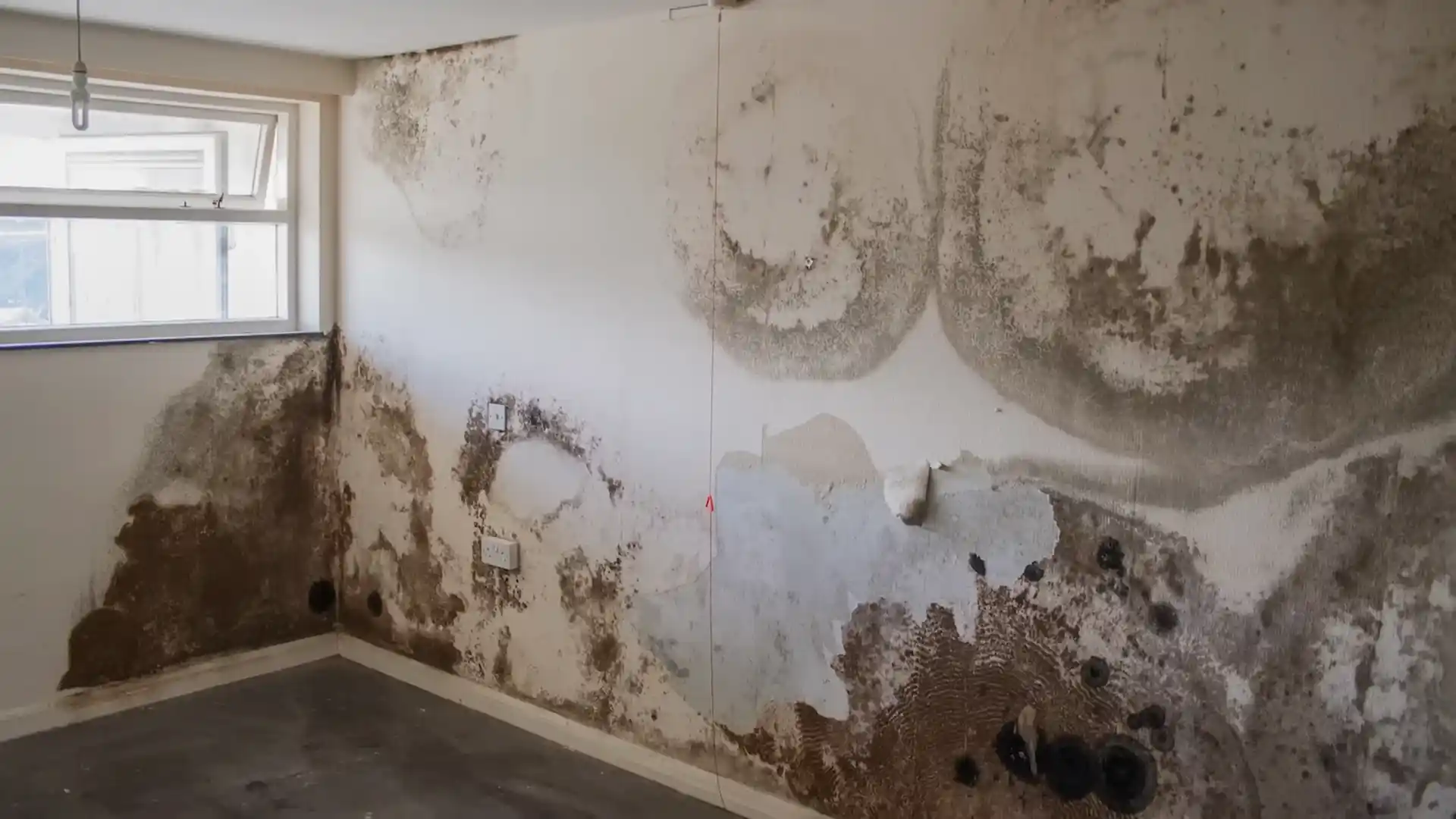
A wet wall in a Parker home falls into two diagnostic categories. In-wall plumbing failures release pressurized water from supply lines, drains, or vent stacks running inside the wall cavity. Exterior intrusion brings water in from outside through window flashing, siding seams, roof-to-wall transitions, or exterior penetrations. The two categories share no diagnostic tools and need different specialist work.
Telling them apart starts with timing and weather correlation. Plumbing-side wall leaks usually appear gradually and worsen during periods of normal water use. Intrusion-side leaks correlate with rain, snowmelt, or wind-driven precipitation. A leak that only shows after a Front Range thunderstorm or after a heavy spring snow is almost always intrusion. A leak that shows during normal house use is almost always plumbing. Call (303) 552-3896 for dispatch.
How We Detect Wall Leak Detection and Repair in Parker, CO
Detection runs by category. We rule out plumbing first because it is faster.
Plumbing isolation test shuts off the main supply and watches the wall moisture readings for 30 to 60 minutes. If readings stabilize or drop with supply off, the leak is plumbing-side. If readings continue to grow despite no supply, the leak is either intrusion or on the drain side rather than the supply side.
Acoustic and thermal scanning on wet walls during pressurized supply locates the leak point. Most Parker wet-wall plumbing leaks are pinhole copper failures in the supply lines feeding upstairs bathrooms or kitchen wet walls. The acoustic signature peaks within 12 inches of the actual leak in most wall constructions.
Exterior intrusion inspection covers window flashing, siding seams, exterior trim, roof-to-wall transitions, and any penetration through the building envelope (dryer vents, hose bibs, electrical service entries). Parker's mid-2000s cohort (Bradbury Ranch, Lincoln Creek, Reata Ridge, Trails at Crowfoot) sometimes has construction-era flashing failures showing now at year 15 to 20.
Stucco and brick veneer inspection on Pinery and 1990s master-planned exteriors looks for cracks, failed expansion joints, and weep-screed clogging. Front Range UV exposure breaks down stucco and sealants over decades.
Repair scope by category in Parker, CO
Plumbing-side wall repairs follow the wet-wall pinhole and supply line playbooks. Intrusion-side repairs coordinate with exterior contractors when the work is outside our plumbing scope.
In-wall pinhole repair opens drywall at the located leak point (typically a 12-by-18 inch access), replaces the failed copper section with a coupling-joined replacement, and patches drywall. Cost runs $500 to $1,400 including access and patch.
Wet-wall drain repair covers leaking drain stack joints, vent connections, or branch line failures inside walls. Cost runs $400 to $1,200 per repair point depending on which section is failing and the access route.
Window flashing or siding repair is exterior trade work. We provide the diagnostic written assessment that identifies the intrusion path, then refer to a window contractor, roofer, or siding specialist as appropriate. Plumbing scope does not extend to exterior envelope work.
Wall drywall and finish repair at the access point runs $250 to $700 including texture and paint matching. Larger wet drywall replacement on extensive leaks goes to restoration contractors. The plumbing portion of the repair stays in our scope.
Wall leak patterns across Parker construction eras
The Pinery 1970s cohort has original copper supply running through interior wet walls. Those lines are now 45-plus years old. Pinhole failures in wet walls are increasingly common; many homes are working through their second or third wet-wall pinhole event now. Whole-house repipe is often the cost-effective response.
The 1990s and early-2000s master-planned cohorts (Stonegate, Stroh Ranch, Idyllwilde, Canterberry Crossing, Cottonwood Parker) sit in the mid-pinhole window at 25 to 35 years. First-pinhole events in wet walls are routine. The cost-comparison usually favors spot repair on the first pinhole, with repipe consideration if a second appears within 18 months.
Mid-2000s and 2010s builds (Bradbury Ranch, Lincoln Creek, Reata Ridge, Trails at Crowfoot, Hidden River, Parker Vista, Black Feather, Newlin Gulch) used PEX wet-wall supply with copper stub-outs. Wet-wall failures in these cohorts cluster at copper-PEX transition fittings or at the few remaining copper hot-water runs. Exterior intrusion calls in these cohorts often trace to window flashing failures that surface at year 15 to 20.
Wall leak detection $300 to $600. Repair $400 to $1,800.
Detection $300 to $600 depending on the diagnostic complexity. Repair pricing: in-wall pinhole $500 to $1,400, drain stack work $400 to $1,200, drywall patch $250 to $700. Exterior intrusion work coordinates with envelope trades.
Wet wall, stained drywall, or musty smell?
Plumbing-vs-intrusion diagnosis on the first visit.
☎ (303) 552-3896Wall leak questions Parker calls in with
How do I tell if my wall leak is plumbing or coming from outside?
Two quick tests. First, does the leak appear during rain or snowmelt specifically? Rain-correlated leaks are almost always exterior intrusion. Use-correlated leaks are almost always plumbing. Second, shut off the house water at the main and check the wall for 30 to 60 minutes. If moisture stops growing, plumbing is the source. If moisture keeps growing with supply off, it is intrusion or possibly drain-side.
Can a wet wall cause mold or structural damage?
Yes to both, especially on leaks ongoing for more than 3 to 4 weeks. Wet drywall, soaked insulation, and trapped moisture in framing all create mold-favorable conditions. Sustained wetness can also rot framing, soften OSB sheathing, and damage finishes beyond simple repair. Catching wall leaks early limits both costs.
Will my homeowners insurance cover wall leak damage?
Sudden plumbing failures usually qualify for coverage on the damage portion: drywall, insulation, paint, and any contents damaged. Long-term seepage usually does not. Exterior intrusion is highly variable; some policies cover wind-driven rain damage, most do not cover gradual leaks through aging flashing or siding. The detection report we provide documents the leak nature, which the adjuster needs.
Related Leak Services in Parker, CO
Parker, CO & Douglas County Coverage
Wet-wall plumbing failures concentrate in 1970s through 2000s copper cohorts. Newer cohorts trend toward exterior intrusion.