
Crawl Space Leak Detection & Repair in Parker, CO
Crawl space plumbing in Parker is exposed, accessible, and aging. Pier-foundation homes from the Pinery 1970s and pre-1990 Downtown Parker eras have decades-old supply and drain lines running under the subfloor. Diagnostic access is easier than slab-on-grade homes; failures hit different points.
Direct-access diagnostic.
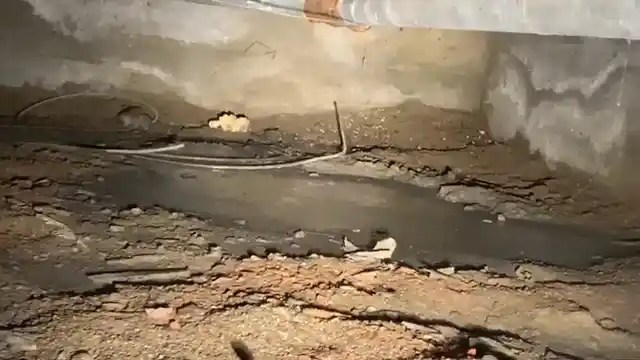
Crawl spaces in Parker concentrate in older housing stock. The Pinery 1970s development, pre-1990 Downtown Parker, and a small number of newer custom builds use pier or perimeter-wall foundations with crawl space access under the main floor. The plumbing runs through that space rather than embedded in a concrete slab. That makes diagnostic and repair access far easier than slab-on-grade construction, but it exposes lines to humidity, condensation, and seasonal temperature swings.
Common crawl space leak sources fall into four categories. Copper supply pinholes in 1970s and 1980s vintage piping. Drain joint failures at PVC or cast-iron transitions. Condensation accumulation that looks like a leak but is not. Water intrusion through perimeter foundation walls during heavy rain or snowmelt events. Each has a different diagnostic and repair path. Call (303) 552-3896 for dispatch.
How We Detect Crawl Space Leak Detection and Repair in Parker, CO
Crawl space detection benefits from direct visual access to the plumbing. Most calls resolve quickly once we are under the floor.
Vapor barrier inspection checks the polyethylene sheet covering the crawl space floor. Pooled water on the barrier identifies leak locations or condensation accumulation directly. Most older Parker crawl spaces have inadequate or absent vapor barriers, which we note as a separate scope item but address as part of the leak workup.
Visual supply line survey traces accessible supply lines (typically copper in 1970s and 1980s vintage Pinery and Downtown Parker homes). We look for green oxidation staining on copper (early pinhole indicator), active drips at fittings, and water staining on subfloor sheathing or floor joists.
Drain line inspection covers visible drain runs from each fixture above. Cast-iron drains from the 1970s era show external rust and sometimes localized swelling at corroded sections. PVC drains from the 1990s and newer have joint failures visible at the glue line.
Foundation wall inspection looks at the perimeter walls and the floor-to-wall transition for water intrusion. Crawl spaces with exterior grading issues, downspout problems, or poor drainage around the foundation often show seepage in spring after snowmelt or after major Front Range thunderstorms.
Moisture content measurement on joists and subfloor identifies whether the moisture is plumbing-related or environmental. Sustained high readings without active drips usually point at humidity or condensation issues rather than active leaks.
Repair in the crawl space is direct work in Parker, CO
Repair scope in crawl spaces is generally easier than slab-on-grade because lines are accessible.
Copper pinhole repair on accessible supply lines opens at the leak point, cuts out the failed section, and sweats in a replacement piece. Cost $250 to $600 per leak point. Multiple pinholes in close sequence indicate the surrounding pipe is past end of life and section replacement or full house repipe is the right next step.
Section replacement of cast-iron drain on corroded runs replaces a 4-to-12-foot section with new PVC and appropriate transition fittings. Cost $400 to $1,200 per section.
Full crawl space repipe on Pinery 1970s or earlier homes with widespread copper failure runs all new PEX supply through the crawl space, abandoning the failed copper. Cost $4,500 to $9,000 for a standard residential crawl space.
Vapor barrier installation or replacement covers laying down or refreshing the polyethylene sheet over the crawl space floor. Cost $400 to $1,200 depending on crawl space size and existing condition.
Foundation wall repair for intrusion issues coordinates with foundation contractors. Plumbing-side scope covers the affected plumbing only; structural and waterproofing work is a separate trade.
Crawl space drainage improvements can address chronic seepage. Interior drain tile and a sump pump installation can move infiltrating water out of the space. Cost $2,500 to $7,000 depending on crawl space size.
Crawl space distribution across Parker
The Pinery 1970s development is the largest concentration of crawl space homes in Parker. Original construction used pier foundations with full crawl space access. Those homes are now 45 to 55 years old, well into the plumbing-replacement window. Copper supply pinholes are the dominant call pattern. Cast-iron drain corrosion is the second.
Pre-1990 Downtown Parker and Mainstreet area homes also use crawl spaces, sometimes with combined crawl-and-partial-basement construction. Plumbing in these homes is original galvanized supply (now well past life) and either cast iron or original-vintage clay drain transitioning to city sewer.
Master-planned cohorts (Stonegate, Stroh Ranch, Idyllwilde, Canterberry Crossing, Cottonwood Parker, Bradbury Ranch, Lincoln Creek, and newer) almost universally use slab-on-grade or full basement construction rather than crawl space. Crawl space calls from these neighborhoods are uncommon.
Equestrian outskirts (Franktown, Sedalia) include some larger custom homes with crawl spaces, sometimes paired with private well water service. The Pinery and Pine Lane Estates are also in this category and face accelerated pipe failures from harder well water.
Crawl space leak repair $250 to $9,000.
Detection $200 to $450. Repair pricing: copper pinhole $250 to $600, cast-iron drain section $400 to $1,200, full crawl space repipe $4,500 to $9,000, vapor barrier install $400 to $1,200, drainage improvements $2,500 to $7,000.
Wet crawl space or musty subfloor?
Direct-access diagnostic. Plumbing-vs-environmental moisture identified fast.
☎ (303) 552-3896Crawl space questions Parker calls in with
Is moisture in my crawl space always a plumbing problem?
No. Crawl spaces commonly accumulate moisture from condensation, ground vapor (without an adequate vapor barrier), seasonal humidity, and exterior water intrusion. Plumbing leaks contribute only when there is an active failure in supply or drain lines. The diagnostic question on most crawl space moisture calls is whether the moisture is plumbing-driven or environmental, because the response differs significantly.
How does crawl space repipe differ from slab repipe?
Crawl space repipe is easier and cheaper because the existing lines are accessible without cutting through concrete. We pull old supply lines and run new PEX through the same space, attaching to joists with proper supports. Cost typically runs 25 to 40 percent less than equivalent slab-on-grade repipe. Total project time is also shorter, usually 1 to 2 days versus 3 to 5 days on slab.
My Pinery home has a wet crawl space every spring. Why?
Likely a combination of perimeter foundation drainage and inadequate exterior grading. Spring snowmelt around the foundation overwhelms the existing drainage and water finds its way into the crawl space through the floor-to-wall transition. The fix is usually a mix of exterior grading work, downspout extensions, and sometimes an interior drain tile system with a sump pump. Plumbing-side repair only addresses leaks, not seepage.
Related Leak Services in Parker, CO
Parker, CO & Douglas County Coverage
Crawl space construction concentrates in older Pinery and Mainstreet pre-1990 homes.