
Garbage Disposal Leak Detection & Repair in Parker, CO
Garbage disposal leaks come from three connection points. The top mounting flange where the disposal meets the sink. The bottom drain connection going to the P-trap. The dishwasher inlet on the side. Identifying which connection is leaking takes about five minutes.
Repair vs replace decided fast.
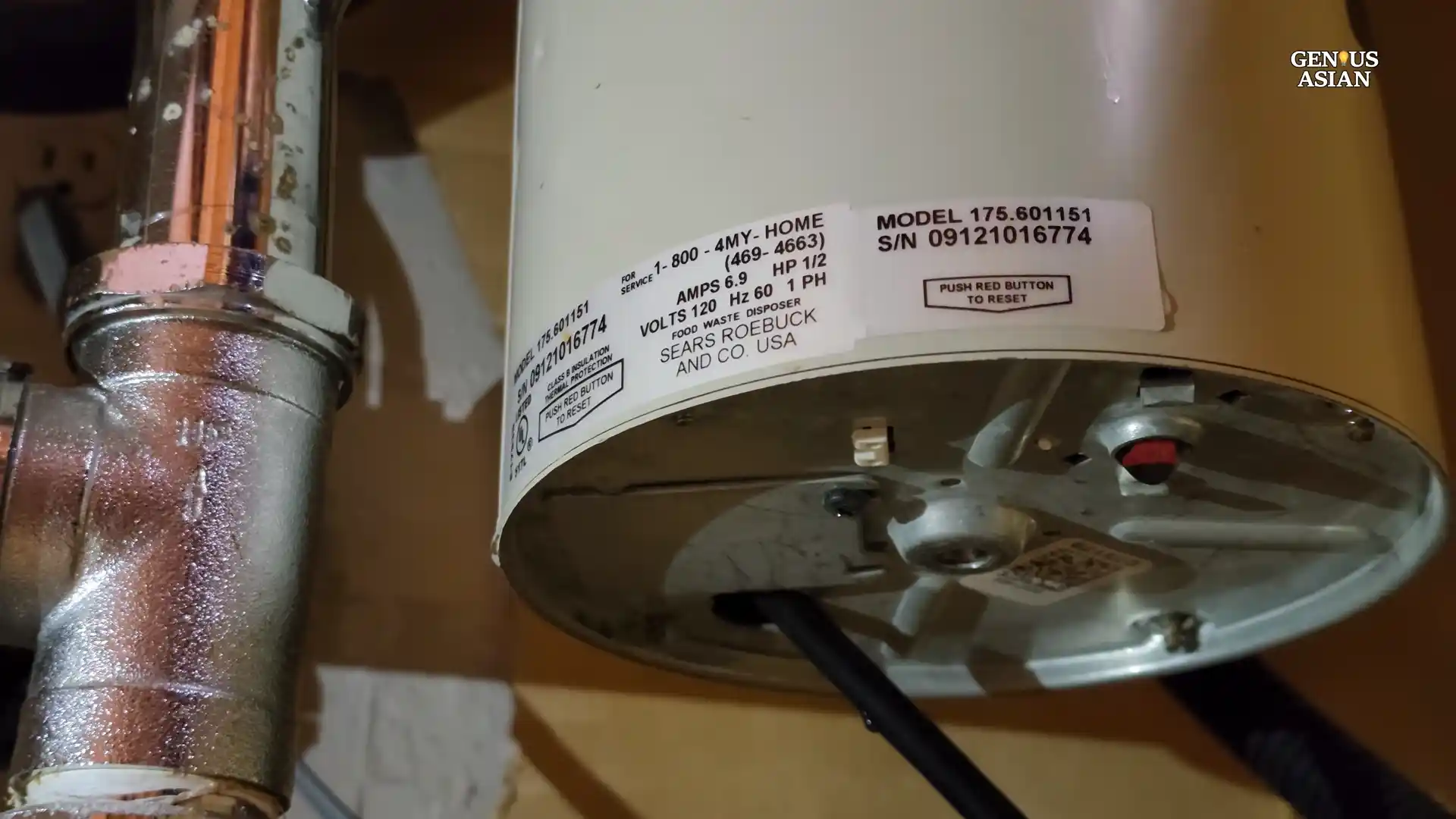
A leaking garbage disposal in Parker tells you which of three connection points is failing based on where the water shows. Water dripping from the top edge of the disposal where it meets the sink points at the mounting flange and putty seal. Water dripping from the bottom drain connection points at the slip joint or drain elbow. Water from the side near the dishwasher hookup points at the dishwasher inlet hose connection.
Disposal motor housing leaks (water coming through the disposal body itself rather than the connections) almost always mean the disposal needs replacement. Motor housing seals fail at the 7-to-12-year mark on Parker disposals, sometimes earlier on hard-water diet. Replacement is usually the better economic choice over internal repair attempts. Call (303) 552-3896 for dispatch.
How We Detect Garbage Disposal Leak Detection and Repair in Parker, CO
Detection takes 5 to 10 minutes once we are under the sink. Visual inspection answers most calls.
Mounting flange check looks at the top of the disposal where it connects to the sink drain. The mounting flange uses plumber's putty (older installs) or a rubber gasket (modern installs) to seal against the sink. Water dripping from the top edge of the disposal during sink use indicates flange seal failure. Mineral residue at the seam confirms.
Drain connection check inspects the slip joint between the disposal drain outlet and the P-trap or drain elbow. A failing slip joint washer or a loose nut shows as drip during sink drainage. Easy to confirm; the connection is visible from below.
Dishwasher inlet check covers the small inlet fitting on the side of the disposal where the dishwasher drain hose connects. The hose clamp and the inlet fitting itself can both leak. Failure often shows during or after dishwasher cycles rather than during sink use.
Motor housing inspection looks at the disposal body itself. Water seeping from the body (not from any of the three connections) indicates internal seal failure or housing crack. Internal failures are almost always replacement candidates rather than repair.
Repair scope by connection point in Parker, CO
Connection repairs are quick. Disposal replacement takes longer but is still usually under 2 hours.
Mounting flange reseating removes the disposal, cleans the old putty or gasket, applies new sealant, and reseats the flange against the sink. Cost $180 to $350 depending on disposal access and how stuck the original mounting is.
Drain connection repair swaps the slip joint washer or replaces the drain elbow. Cost $120 to $250. Quick fix, often paired with general under-sink work during the visit.
Dishwasher inlet repair replaces the hose clamp or the inlet fitting. Cost $100 to $200. Sometimes paired with dishwasher drain hose inspection if the hose itself is showing wear.
Full disposal replacement is the standard call for motor housing failures or disposals past 8 to 10 years showing multiple issues. New disposals (1/3 HP through 1 HP depending on household needs) install with the existing mounting hardware in most cases. Cost runs $300 to $700 installed depending on disposal grade and any electrical or drain rework required.
Sink mount conversion sometimes needed on Parker homes where the original disposal used putty sealing but the new disposal uses gasket sealing. Conversion is usually included in the replacement scope without additional charge.
Disposal patterns in Parker kitchens
Master-planned cohort kitchens built between 1995 and 2015 (Stonegate, Stroh Ranch, Idyllwilde, Canterberry Crossing, Cottonwood Parker, Bradbury Ranch, Lincoln Creek, Reata Ridge, Hidden River) almost universally have under-sink disposals as standard kitchen equipment. Builder-grade disposals from these cohorts are now in the 10-to-25-year window; many homes have already replaced disposals once and are nearing a second replacement cycle.
Parker Water and Sanitation District hardness at 9.2 grains per gallon contributes to disposal wear through mineral scale on the grind chamber and the drain outlet. Hard-water markets like Parker see slightly shorter disposal life than soft-water averages, though the difference is smaller than for water heaters or faucets because disposals see intermittent rather than constant water exposure.
The Pinery 1970s cohort kitchens sometimes lack disposals entirely if never retrofitted. Pre-1990 Downtown Parker kitchens are similar. Retrofit installs in older kitchens are common service calls when homeowners renovate.
Disposal leak repair $100 to $700.
Diagnosis folds into repair on most calls. Pricing: drain slip joint $120 to $250, dishwasher inlet $100 to $200, mounting flange $180 to $350, full disposal replacement $300 to $700 installed.
Disposal leaking from above, below, or the side?
Three-connection diagnostic in 10 minutes on-site.
☎ (303) 552-3896Garbage disposal questions Parker calls in with
How long does a garbage disposal last in Parker?
Most builder-grade disposals run 8 to 12 years on PWSD water with normal household use. Higher-grade 3/4 HP or 1 HP units last 12 to 18 years. Heavy use (frequent meal prep, large household) shortens the life by 20 to 30 percent. Light use (single occupant, occasional cooking) extends it. PWSD's hard water trims the life slightly compared to soft-water markets but is not the dominant factor.
Can I replace a leaking disposal myself?
Possible for handy homeowners with the right tools, but worth knowing the gotchas. Most failed disposals stick in the mounting bracket and require force or specialty tools to remove. Electrical connections require code-compliant wiring. The dishwasher inlet often needs a small modification on new units. Total time on a DIY replacement runs 1 to 3 hours; professional install is usually 45 to 90 minutes including testing and cleanup.
Should I size up to a more powerful disposal during replacement?
Often a good call. Sizing up from a 1/3 HP builder-grade to a 3/4 HP or 1 HP unit costs $150 to $300 more on the install. The larger unit adds 4 to 8 years of expected life and handles tougher food waste without jamming. For active kitchens, the larger unit is usually worth it. For light-use kitchens, sticking with similar size makes sense.
Related Leak Services in Parker, CO
Parker, CO & Douglas County Coverage
Disposal density tracks master-planned cohort kitchens. Pinery 1970s sometimes lacks original installs.