
Bathtub Leak Detection & Repair in Parker, CO
Bathtub leaks fall into three zones. The tub surround (tile, grout, caulk, valve penetrations). The drain assembly at the bottom of the tub. The overflow assembly partway up the side. Each zone has its own diagnostic and repair playbook.
Three-zone diagnostic.
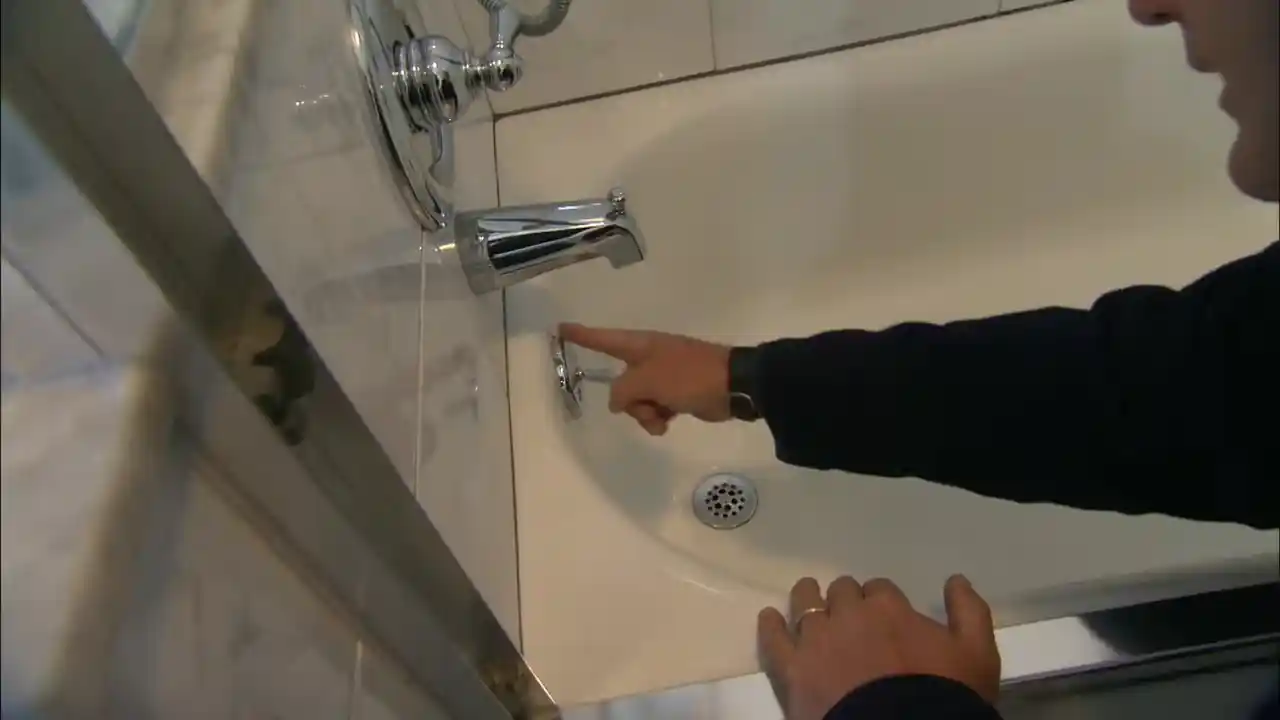
A bathtub leak shows up three different ways. Water in the ceiling directly below the tub points at the drain assembly or the overflow connection. Water along the tub apron at floor level points at the surround caulk or the tub-to-floor joint. Water that only appears during showering, not when the tub fills, points at the wall surround or shower valve. Reading which symptom you have narrows the source to one of three zones before any access work starts.
Cast iron tubs in The Pinery 1970s cohort and pre-1990 Downtown Parker homes behave differently than the acrylic and steel tubs in newer master-planned cohorts. Cast iron is heavier, the drain and overflow connections are larger, and the failure modes track different timelines. Acrylic and fiberglass tubs in Canterberry Crossing, Stonegate, and Stroh Ranch can flex over time, which stresses fittings. Call (303) 552-3896 for dispatch.
How We Detect Bathtub Leak Detection and Repair in Parker, CO
Detection runs by zone. Each test targets a specific zone's failure mode.
Surround zone testing uses a controlled spray test on the tile, grout joints, and valve penetrations. We spray water on each part of the surround for 30 to 60 seconds while watching for water appearing below or behind the wall. Grout failures show within seconds. Caulk failures at the tub-to-tile joint show with steady spray. Valve penetration failures show during pressurized testing of the valve body.
Drain zone testing fills the tub partially, then watches the drain shoe gasket and the drain-to-trap connection from below. A leaking drain shoe shows with the tub holding water; a leaking trap or trap-to-drain joint shows when the drain is opened and water flows.
Overflow zone testing fills the tub past the overflow opening and watches the overflow plate seal and the overflow-to-drain connection. The overflow seal is a flat rubber gasket between the overflow plate and the tub body; it fails by hardening or compressing over decades. Most cast-iron tubs past 40 years have a worn overflow gasket.
Wall cavity inspection when none of the three zones explains the leak. We open the access panel behind the tub (most Parker tubs have one in the adjacent closet or wall) and inspect the supply lines, valve body, and drain assembly from behind.
Repair scope by zone in Parker, CO
Each zone has its own repair playbook with significantly different cost ranges.
Surround repair covers grout regrouting (cost $200 to $500), caulk reapplication ($150 to $300), tile replacement at failed sections ($300 to $1,200), and valve penetration sealing ($150 to $400). The lifespan of grout in a high-use Parker shower is 10 to 15 years; caulk is 5 to 10. Both are maintenance items, not permanent.
Drain assembly replacement covers the drain shoe, the drain crown, and the gasket between them. Cost $200 to $500. Trap replacement underneath adds $150 to $300.
Overflow gasket replacement is straightforward on most tubs: remove the overflow plate, replace the gasket, reseat the plate. Cost $150 to $300. Overflow assembly replacement (full gasket plus drain mechanism on integrated drain-and-overflow tubs) runs $300 to $700.
Full tub replacement is sometimes the right call when the tub itself is damaged (cracked acrylic, chipped cast iron) or when surrounding wear has progressed far enough that piecemeal repair is no longer economical. Cost runs $1,800 to $5,000 installed including removal of the old tub, plumbing rework, and basic surround replacement.
Tub valve and shower diverter work sometimes pairs with tub leak repair when the surround was opened for access. Valve cartridges and diverter mechanisms are similar to faucet work in scope and cost.
Bathtub patterns across Parker housing cohorts
The Pinery 1970s cohort and pre-1990 Downtown Parker homes typically have cast-iron tubs with cast-iron drains. Tub shells last 50-plus years; the drain and overflow assemblies are usually 30-to-45 years old now and showing wear. Grout in original 1970s tile surrounds is well past replacement age.
The 1990s and early-2000s master-planned cohorts (Stonegate, Stroh Ranch, Idyllwilde, Canterberry Crossing, Cottonwood Parker) used a mix of acrylic and fiberglass tubs with plastic drain assemblies. Most original tubs in these homes still hold up structurally, but drain shoe gaskets and overflow seals show wear at the 20-to-30-year mark.
Parker Water and Sanitation District hardness at 9.2 grains per gallon contributes to mineral buildup in tub drain assemblies. The buildup occasionally stresses the drain crown threads and contributes to slow drain shoe gasket failures.
Bathtub leak detection $250 to $450. Repair $150 to $5,000.
Detection $250 to $450. Repair pricing by zone: grout or caulk $150 to $500, drain assembly $200 to $500, overflow gasket $150 to $300, valve work $250 to $700, full tub replacement $1,800 to $5,000 installed.
Water on the ceiling below the tub?
Three-zone diagnostic identifies the source on the first visit.
☎ (303) 552-3896Bathtub leak questions Parker calls in with
Why does my tub leak only when full?
Almost always the overflow gasket. The overflow opening sits partway up the tub wall, and water only reaches it when the tub is filled above that level. A hardened or compressed overflow gasket lets water seep behind the tub when the level is high, then stops once the level drops below the opening. Overflow gasket replacement is one of the simpler tub repairs.
Can I caulk over a tub-to-tile joint leak myself?
You can, but it usually fails again within months unless the original failure mode is addressed. Caulk over moldy or wet substrate does not bond. The right approach is to remove all old caulk, dry the joint thoroughly, address any tile or grout issues behind it, then apply new caulk to a clean dry surface. Tub-to-tile caulk needs to flex with the tub's weight cycling, so it should be a flexible silicone or modified silicone.
My cast-iron tub from 1972 is cracked. Replace or repair?
Cracked cast iron is usually replaced rather than repaired. Cast-iron crack repair on a structural component (versus a cosmetic chip) does not hold long-term under the weight cycling of normal use. New tub installation requires removing the cast iron (which weighs 300 to 400 pounds and complicates demolition), plus updating the drain and overflow assemblies and likely the surround. Total cost on a 1970s Pinery cast-iron-to-acrylic conversion runs $2,500 to $4,500.
Related Leak Services in Parker, CO
Parker, CO & Douglas County Coverage
Tub age and material shape the diagnostic. Cast iron in the Pinery cohort, acrylic and fiberglass in master-planned phases.